World Paella Day — what authentic paella is and why Valencia defends it
World Paella Day falls on 20 September. In Valencia, this announcement triggers a very specific reaction: a mixture of pride and an urgent need to explain to the world that what most people call paella is not paella. It is rice with stuff. Paella is something else entirely.
Valencian paella is not a flexible dish where anything goes. It has rules, it has history and it has a context — Valencia’s huerta — that explains why the ingredients are what they are and not something else.
What Valencian paella is — and what it is not
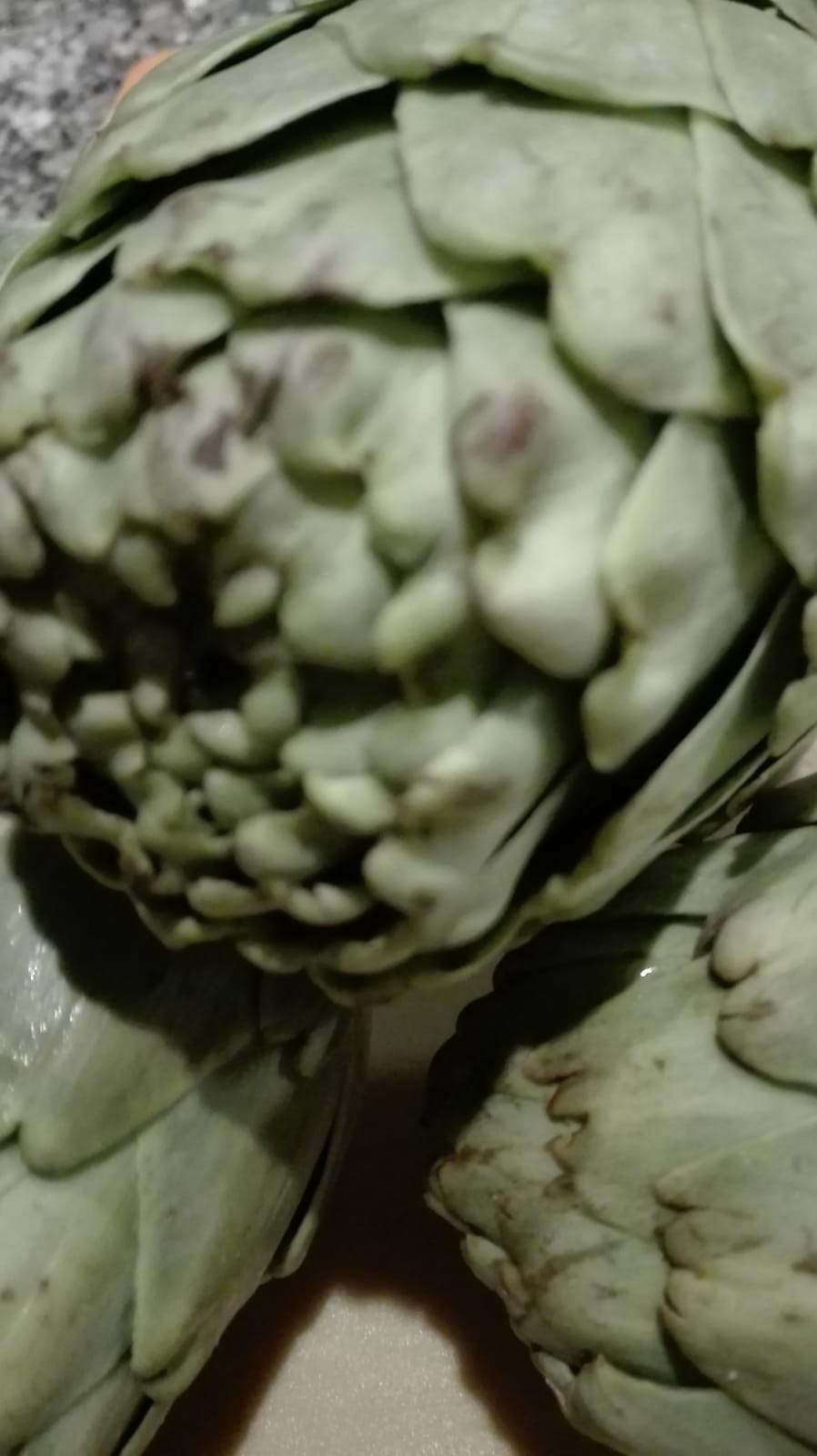
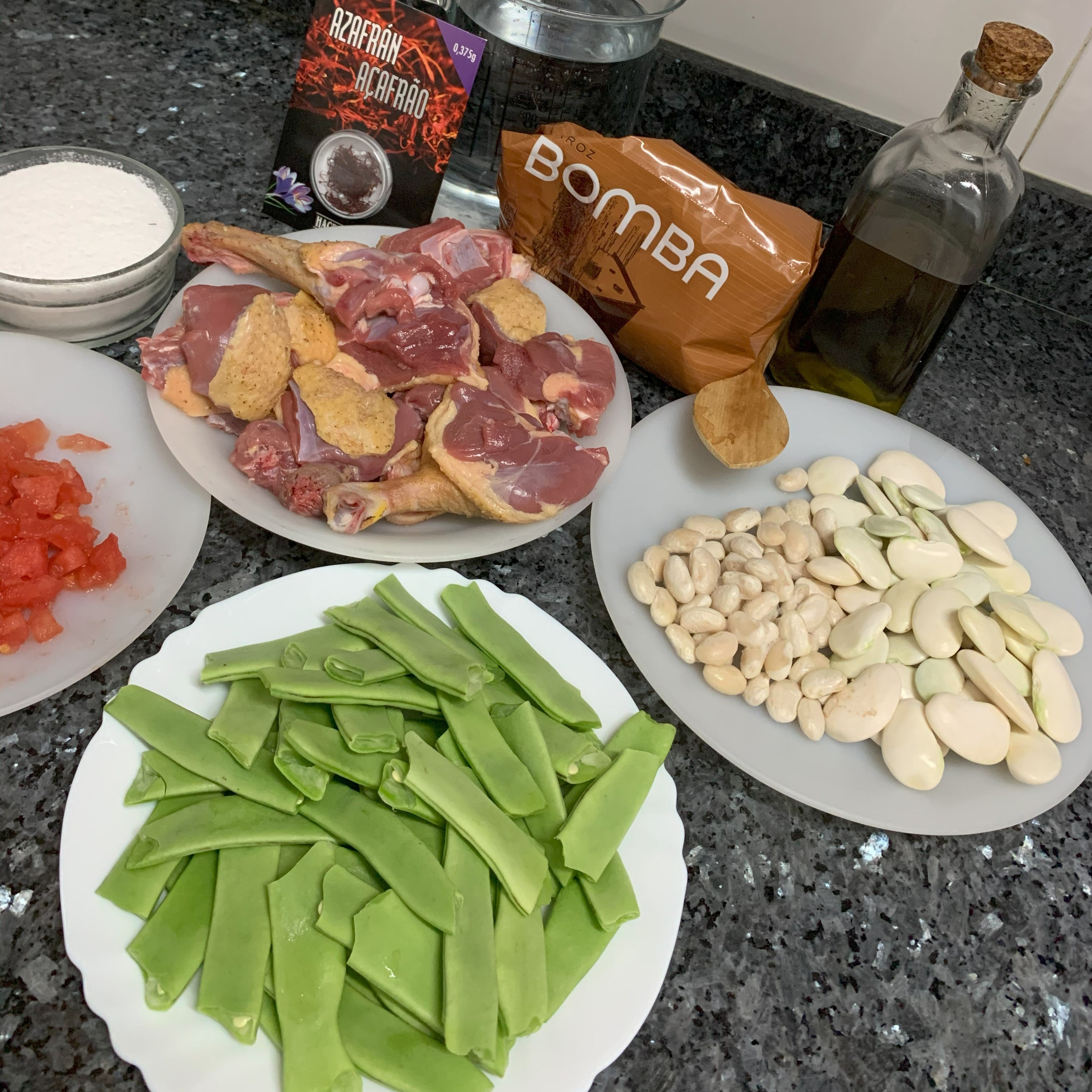
The original Valencian paella contains rice, green beans (bajoqueta), garrón (a flat white bean typical of Valencia), chicken, rabbit, grated tomato, olive oil, saffron, rosemary, water and salt. Full stop. Some versions add artichoke when in season, or snails. The rice is cooked in a paellera — the wide, flat pan that gives the dish its name — over an orange-wood fire.
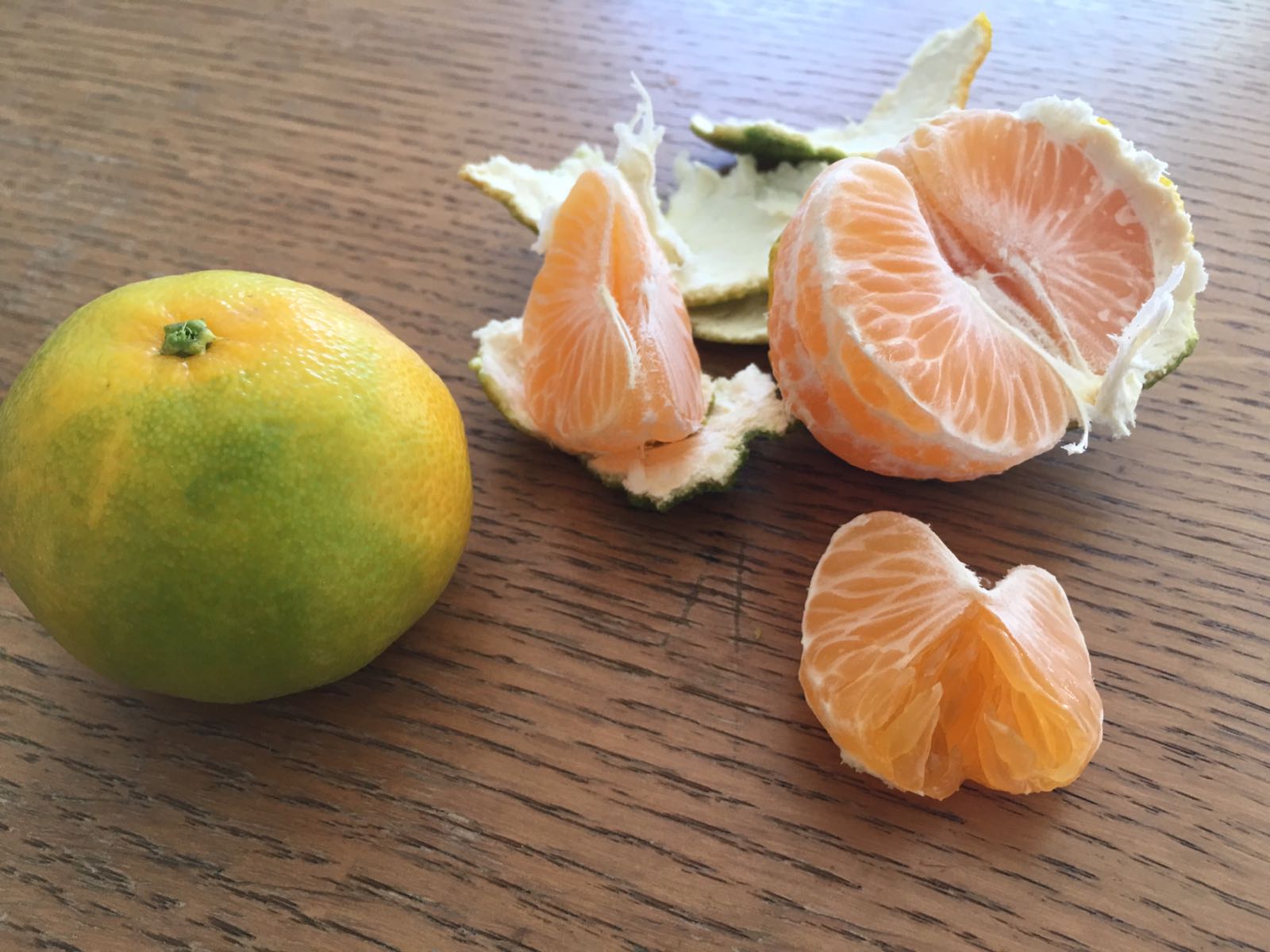
Yes, orange wood. The same trees that produce our Valencia oranges provide the timber that gives authentic paella its subtle smokiness. Pruned branches from the huerta’s orange trees are dried and used as fuel. It is a cycle that connects Valencian citrus farming with gastronomy in a way few people outside the region know about.
What is not Valencian paella: rice with seafood (that is arroz a banda or fideüa, depending), rice with chorizo (this ought to be illegal), rice with peas and red pepper (that is mixed rice and it is fine, but it is not paella). Valencia’s obsession with paella purity is not snobbery: it is the defence of a recipe that works precisely because it does not contain everything.
The origin — a dish from the huerta
Paella was born in the Valencian huerta as a field meal. Farmers and labourers cooked whatever they had to hand — rice from the Albufera lagoon, vegetables from the huerta, chicken or rabbit from the farmyard — in a large, flat pan that allowed outdoor cooking over a quick fire.
The rice was grown (and still is) in the paddies surrounding the Albufera, south of Valencia. The beans came from the huerta. The saffron from La Mancha or the nearby mountains. The rosemary from the hillside. Every ingredient had a nearby origin and a practical reason for being there. Paella was not designed: it formed itself from what the land provided.
Orange wood — the detail that changes the flavour
Cooking paella over orange wood is not a folkloric whim. Orange wood burns evenly, produces a stable ember and imparts a gentle, faintly citrus smokiness that gas cannot replicate. Valencians who cook paella seriously — and in Valencia everyone cooks paella seriously — insist on wood as an essential element.
Pruning branches from the huerta’s orange trees are stacked, dried for months and used as fuel. It is a complete use of the tree: the fruit is eaten, the blossom scents the city, the wood cooks the paella. If you ever taste the difference between a paella cooked over orange wood and one cooked on gas, you will understand what we mean.
How to celebrate World Paella Day
The best way to celebrate World Paella Day is to make it properly. That means respecting the ingredients, using good rice (bomba or albufera), never stirring the rice once it has been added to the stock, and letting the socarrat form — the crispy bottom layer that Valencians consider the best part.
If you cannot get orange wood, a good strong gas flame will do. What will not do is adding random ingredients and calling it paella. In Valencia there is a saying: if it has chorizo, it is not paella. If it has peas, neither. If it has seafood and chicken together, it is rice with stuff, which can be delicious, but it is not called paella.
Frequently asked questions
When is World Paella Day?
It is celebrated on 20 September. It was promoted by Visit Valencia and Wikipaella to champion the authentic recipe against the improvised versions circulating around the world.
What are the ingredients of Valencian paella?
Rice, green beans (bajoqueta), garrón, chicken, rabbit, grated tomato, olive oil, saffron, rosemary, water and salt. Some versions include seasonal artichoke or snails.
Why is orange wood used for paella?
Because it burns evenly, produces a stable ember and imparts a gentle smokiness with a citrus nuance. The branches come from pruning the orange trees in Valencia’s huerta.
Is seafood paella really paella?
In the strict Valencian sense, no. Rice with seafood is a legitimate and delicious dish, but the original Valencian paella is a meat-and-vegetable dish from the huerta. In Valencia the distinction between paella and other rice dishes is taken very seriously.