Mandarins — from China to Valencia in three thousand years
The mandarin you peel in your kitchen has a history that begins over three thousand years ago in what is now southeastern China. From there it travelled to India, crossed the Middle East along trade routes, and reached Europe through the Portuguese. The name “mandarin” comes from the mandarins, the imperial officials of China who wore robes in the same orange tone as the fruit. A baptism by visual association that has stuck in nearly every European language.
Today Spain is one of the world’s largest mandarin producers, and Valencia accounts for a significant share of that output. Our fresh mandarins from Valencia are picked ripe and shipped directly, with no post-harvest treatment.
How the mandarin reached Valencia
The first mandarins arrived on the Iberian Peninsula in the nineteenth century. Around the mid-1800s the first trees were planted in the La Plana de Castellón region and the huerta of Valencia. The Mediterranean climate proved ideal: mild winters, abundant sunshine and alluvial soils with good drainage. Within a few decades the mandarin went from botanical curiosity to a pillar of Valencian agriculture.
What made Valencia special was not just the climate but the irrigation infrastructure inherited from the Moors — channels that had been running for centuries — and a family farming culture that allowed each tree to receive the attention it needed.
What makes Valencia mandarins different
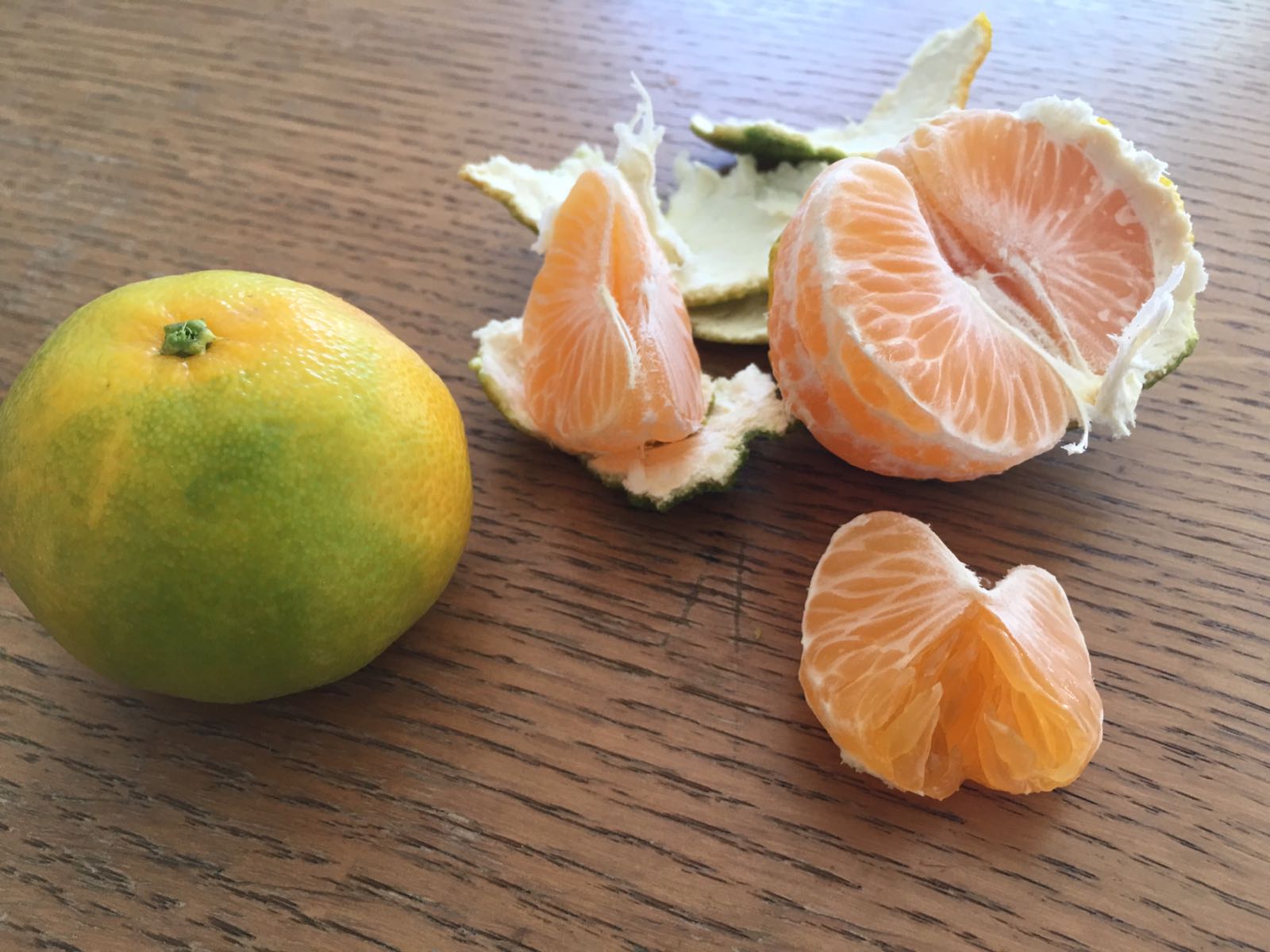
There are dozens of mandarin varieties. Those grown in Valencia include clementines (such as the Clemenules, the most popular), satsumas and mandarin hybrids. The Clemenules, developed in Castellón, is regarded as one of the finest varieties in the world for its balance of sweetness and acidity, ease of peeling and near-total absence of seeds.
But variety is only part of the equation. A Clemenules picked green and ripened in cold storage does not taste the same as one that ripened on the tree. The difference lies in the natural sugars, organic acids and volatile compounds that develop fully only when the fruit matures in real sunlight.
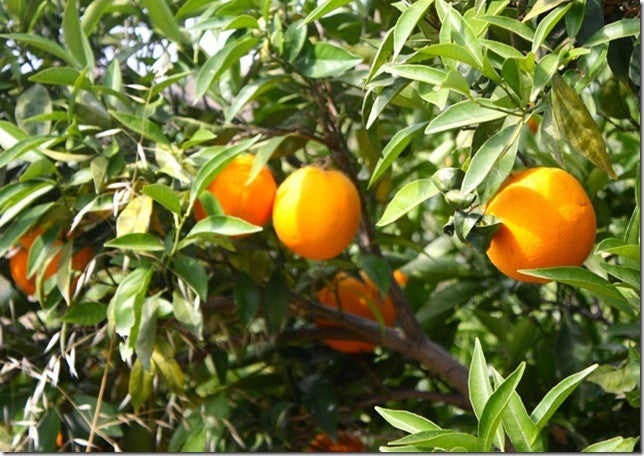
Our mandarins are picked when they are ready, not when it suits the logistics. No wax, no fungicides, no cold storage. From tree to your door in a matter of days.
Mandarin nutrients — what is actually proven
A medium mandarin provides roughly 26 mg of vitamin C — about a third of the recommended daily intake. Vitamin C contributes to the normal functioning of the immune system. That is recognised by EFSA, not a marketing promise.
Mandarins also contain soluble fibre, potassium, beta-carotene (a precursor to vitamin A) and flavonoids such as hesperidin. These nutrients work better together than in isolation, which is the main argument for eating the whole fruit rather than taking supplements.
If you would like to know more about what citrus does for your immune system, have a look at our article on mandarins, lemons and the immune system.
Frequently asked questions
Where do mandarins originally come from?
From southeastern China, where they have been cultivated for over 3,000 years. They reached Europe via Portuguese trade routes and became established in Valencia in the mid-nineteenth century.
Which is the best mandarin variety?
That depends on personal taste, but the Clemenules (from Castellón) is one of the most highly regarded worldwide for its balanced sweetness, easy peeling and virtually no seeds.
How many mandarins a day is reasonable?
Two or three mandarins a day is a sensible amount that covers a good share of daily vitamin C needs. As part of a varied diet, there is no issue with eating more.
Are CitrusRicus mandarins treated?
No. They are picked ripe and shipped directly — no wax, no fungicides, no cold storage. Delivery across Europe within a few days.