Citrus in autumn — why your body craves them (and the supermarket ruins them)
October arrives and in Valencia, citrus season begins. So does the season of wellness articles with stock photos of smiling women hugging oranges. Lists of "superfoods for your immune system". Ginger-lemon teas that nobody finishes.
Meanwhile, citrus in autumn keeps doing what it has done for centuries: working. No hashtag, no influencer, no magic powder at €39 a jar.
An orange has everything you need: vitamin C, fibre, flavonoids and a flavour no capsule replicates. What they don't tell you is that the orange you buy at the supermarket was picked weeks ago, waxed to make it shine and stored in a cold room. And nutritionally, it shows.
The vitamin C that works (and the kind that doesn't)
Let's talk numbers, not marketing.
A table orange contains between 50 and 70 mg of vitamin C. The recommended daily intake is 80 mg. Two oranges and you're covered. No pills, no green smoothies, no one selling you a monthly subscription.
But there's a detail almost no one mentions: vitamin C degrades over time, with light and heat. An orange that has spent weeks in cold storage can lose a significant part of its ascorbic acid content. It's not a mystery — it's food science.
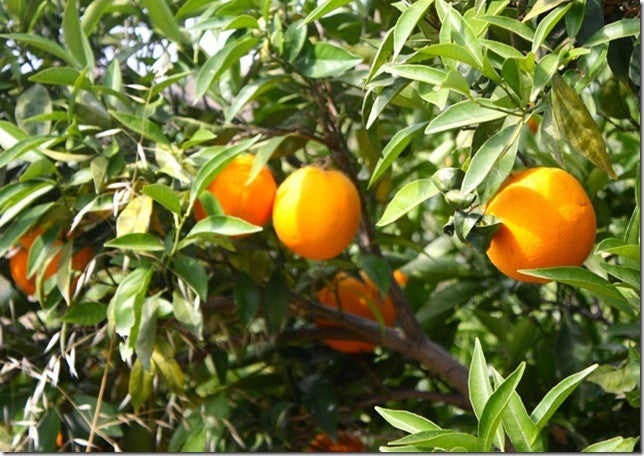
Ours are picked the day you order them. No cold storage, no added wax or preservatives, no warehouse stop. The difference isn't marketing. It's biochemistry.
If you'd like to understand how orange fibre completes the nutritional picture, we go into detail in our post about oranges as a source of soluble fibre.
The fibre you throw away with the juice
This will sting if you're a fan of the morning juicer.
When you juice an orange, you discard the pulp and white membranes — exactly where pectin lives. The soluble fibre that regulates gut transit and feeds your microbiome. A whole orange has 3 to 4 grams of fibre. A glass of juice: virtually zero.
Does that mean juice is bad? No. It means eating the whole orange is better. And that there's an enormous difference between an orange picked yesterday — pulp intact, juicy, full of fibre — and one that's been sitting in a supply chain designed to stop it rotting, not to nourish you.
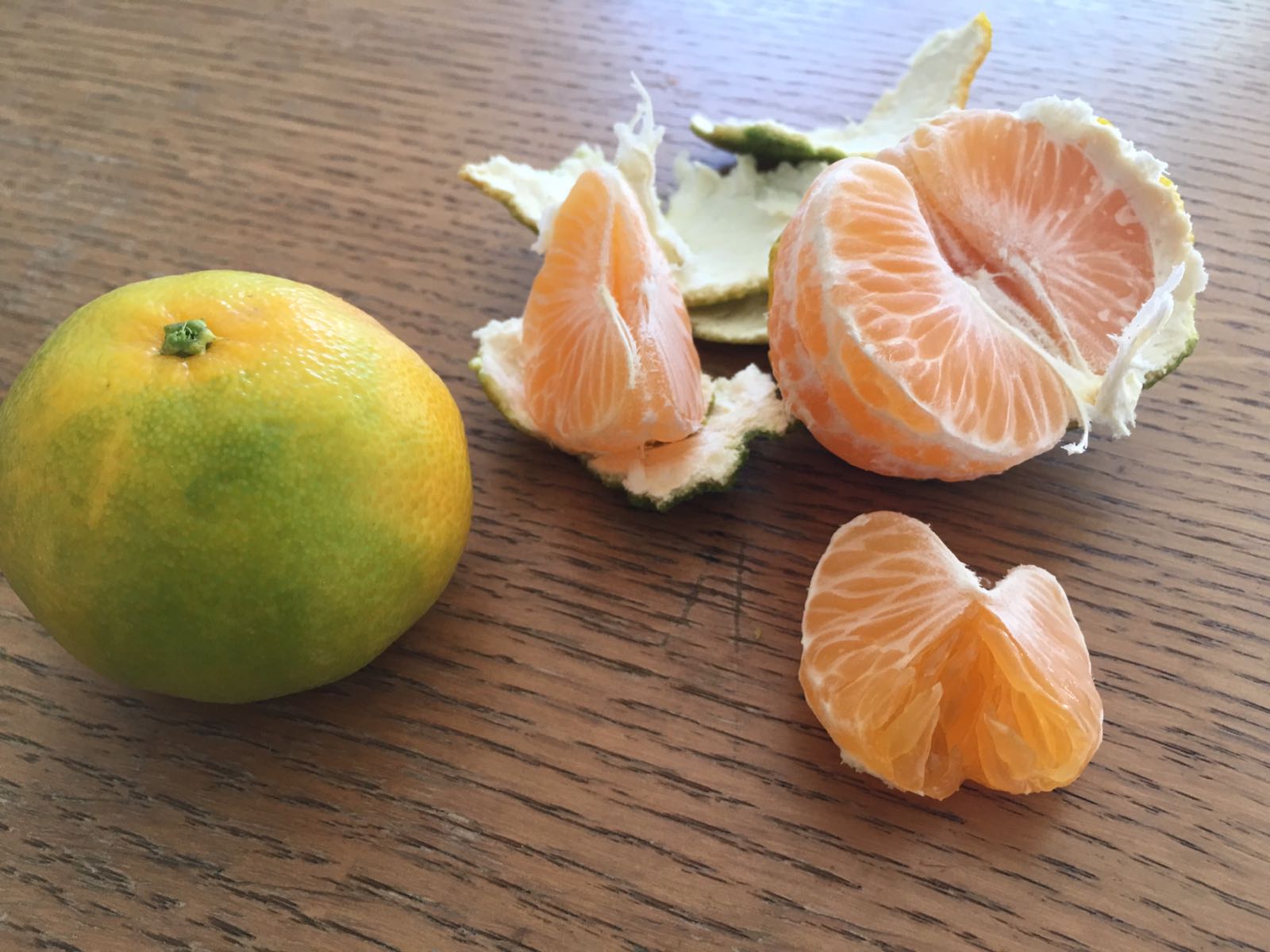
Mandarins, incidentally, are just as interesting. Easier to peel, perfect as a snack for the whole family, with a nutritional profile that has nothing to envy the orange. You can order mandarins from Valencia straight from the tree.
Your immune system doesn't work the way Instagram says
No food "boosts" the immune system like a medieval fortress wall. That's waiting-room magazine simplification.
What the EFSA — the European Food Safety Authority, not a blog with smoothie photos — actually says is that vitamin C contributes to the normal function of the immune system. As part of a varied diet. Not as a silver bullet. Not as a claim on a pretty package.
Including citrus in autumn as part of your diet isn't a leap of faith. It's what your grandparents did before someone invented vitamin C supplements in colourful capsules.
And there's something no supplement replicates: peeling a freshly picked orange. The scent the peel releases is like the opening chord of a Verdi opera — excessive, inevitable and utterly necessary.
How to eat citrus without becoming an influencer
You don't need a 7-step morning ritual. You don't need an açaí bowl with artfully arranged orange segments.
A whole orange mid-morning. Peeling it is the most underrated snack there is. Three minutes of analogue ritual in a digital world. No packaging, no label, no barcode.
A mandarin after lunch. Your body has been processing fructose for millions of years. It's been processing oat milk lattes for about a hundred. Do the maths.
Freshly squeezed juice, but knowing what you lose. If you enjoy it, go ahead. But don't think it's the same as eating the fruit. It's like watching a film on your phone: it works, but you miss things.
Lemon zest on everything. Salads, pasta, fish, even over yoghurt. It's what separates a home-cooked dish from a restaurant one. And it costs less than a sprig of rosemary in a plastic tray.
Our citrus is picked when you order. No cold storage, no wax or preservatives, no middlemen. Straight from the tree of a Valencian family that has been growing the same thing since 1917: fruit that tastes like fruit.
Frequently asked questions
How much vitamin C does an orange contain?
A table orange contains between 50 and 70 mg of vitamin C — more than half the recommended daily intake (80 mg). Two oranges a day cover the full requirement. CitrusRicus oranges are picked to order, without cold storage, which better preserves their vitamin content.
Is it better to eat the orange whole or as juice?
Eating the whole orange is nutritionally superior to juice. The pulp and white membranes contain pectin (soluble fibre) that is lost when juicing. A whole orange provides 3-4 g of fibre; juice, practically zero. Juice isn't bad, but the whole fruit provides more.
Do citrus fruits in autumn help prevent colds?
Vitamin C contributes to the normal function of the immune system, according to EFSA. It doesn't prevent colds on its own, but a diet rich in citrus in autumn, as part of a varied diet, contributes to the normal function of the immune system.
What's the difference between a supermarket orange and one from CitrusRicus?
Supermarket oranges are picked unripe, stored in cold rooms and treated with wax and preservatives. CitrusRicus oranges are picked to order, with no post-harvest treatment, no wax or preservatives, and shipped directly from the tree to your door — no middlemen.
How many oranges should you eat per day?
Two oranges a day cover the recommended daily intake of vitamin C (80 mg). You can eat more without any issue — they're low in calories and rich in fibre. The key is eating them whole rather than just as juice, to get the pectin from the pulp.
Fewer supplements. More real orange.