Caribbean hurricanes and storms in Spain — how they affect Valencia’s citrus
Every autumn, the news shows images of hurricanes devastating the Caribbean. What they do not always mention is that those same weather systems, once they lose hurricane status, cross the Atlantic and reach Europe transformed into extratropical storms. When that happens, the Mediterranean coast — and Valencia’s citrus groves — take the direct hit.
The link between a hurricane in the Caribbean and a flood in the Valencian huerta is not science fiction. It is basic meteorology, and understanding it helps explain why some citrus seasons are tougher than others.
What happens when a hurricane crosses the Atlantic
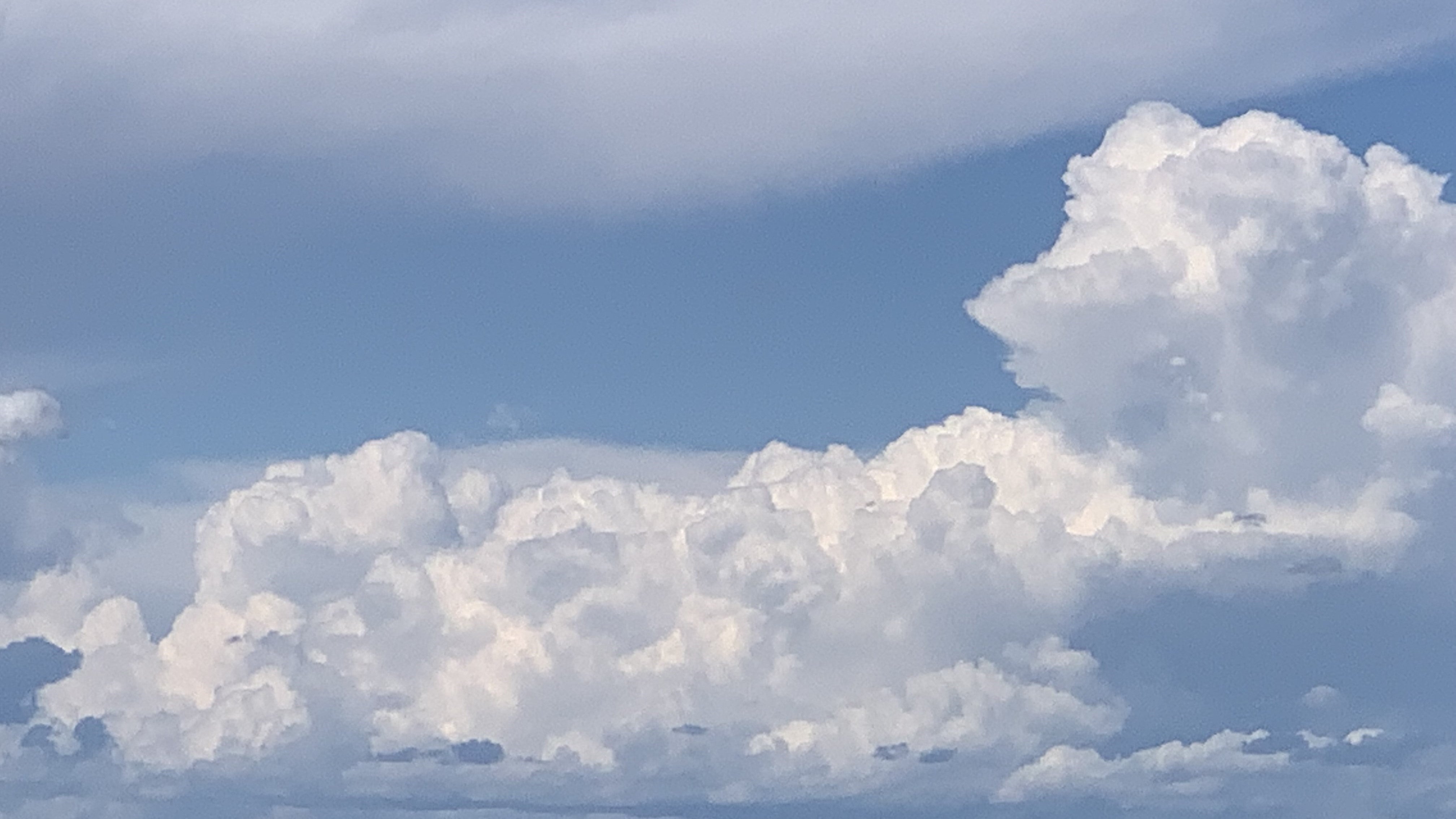
A hurricane is a tropical cyclone that feeds on ocean heat. When it moves north-east and leaves the warm Caribbean waters, it loses its energy source and begins a transition: it stops being a tropical cyclone and becomes an extratropical storm. The system retains much of its moisture and kinetic energy but changes structure.
These post-tropical storms arrive in Europe loaded with subtropical moisture. When they interact with cold air descending from the North Atlantic or with the warm air masses over the Mediterranean, they can trigger episodes of torrential rain that are especially intense along the Mediterranean side of the Iberian Peninsula.
Not every Caribbean hurricane ends up affecting Spain. It depends on the track, the timing within the season and the atmospheric configuration over the Atlantic. But when the factors align — a hurricane turned storm, a simultaneous DANA or cold drop, a warm Mediterranean in September or October — the results can be catastrophic.
How storms affect citrus
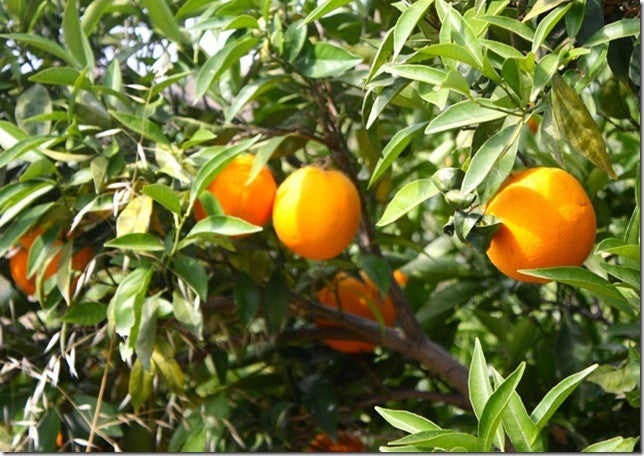
Valencia’s orange groves sit on a coastal plain that catches these torrential-rain episodes head on. The consequences for citrus farming are several, and none of them good.
The most obvious is soil saturation. Orange trees cope badly with prolonged waterlogging: roots need oxygen, and soil saturated for days can cause root asphyxiation and encourage fungal diseases such as gummosis. Cover crops help improve drainage, but against 200 litres per square metre in six hours, no farming practice is enough.
Strong wind can knock unripe fruit off the trees, reducing the available harvest. It can also snap branches and damage tree structure, which affects the following season’s production. And flooding washes away fertile topsoil — the nutrient-rich upper layer — causing erosion that takes years to recover from.
If you are interested in how the Mediterranean climate specifically affects citrus, we have a more detailed article on how September rains influence orange trees.
Hurricane season and citrus season
The official Atlantic hurricane season runs from 1 June to 30 November, with peak activity between August and October. That coincides exactly with the period when Valencia’s citrus is ripening on the tree and the Mediterranean reaches its maximum temperature — conditions that favour torrential rain when extra moisture arrives.
Climate change is altering these dynamics. Atlantic waters are warmer, allowing hurricanes to retain more energy for longer and the storms that reach Europe to be more powerful. The Mediterranean is warming too, increasing the energy available to generate intense storms.
For farmers in Valencia’s huerta, this means extreme events are not exceptional: they are part of the calendar. The difference between a good season and a bad one can depend on whether a Caribbean hurricane turns right or left.
Frequently asked questions
Can Caribbean hurricanes reach Spain?
Not as hurricanes, but they can arrive as extratropical storms. Crossing the Atlantic, they lose their tropical structure but retain a great deal of moisture and energy, potentially triggering torrential rain over the Iberian Peninsula.
How does torrential rain affect orange trees?
It causes waterlogging that asphyxiates roots, encourages fungal diseases, knocks unripe fruit off trees through wind and causes erosion of fertile topsoil. All of this reduces the harvest and can affect production in subsequent seasons.
Does climate change make these episodes worse?
Yes. Warmer waters in both the Atlantic and the Mediterranean supply more energy to weather systems, making torrential-rain episodes potentially more intense and more frequent.
What does CitrusRicus do to protect its groves?
We use cover crops that improve soil drainage and reduce erosion. But against extreme events of 200-plus litres per square metre, agricultural prevention has its limits — what we can guarantee is that we select the best fruit available after each episode.