Valencian artichokes — Curiosities, health benefits and a classic recipe
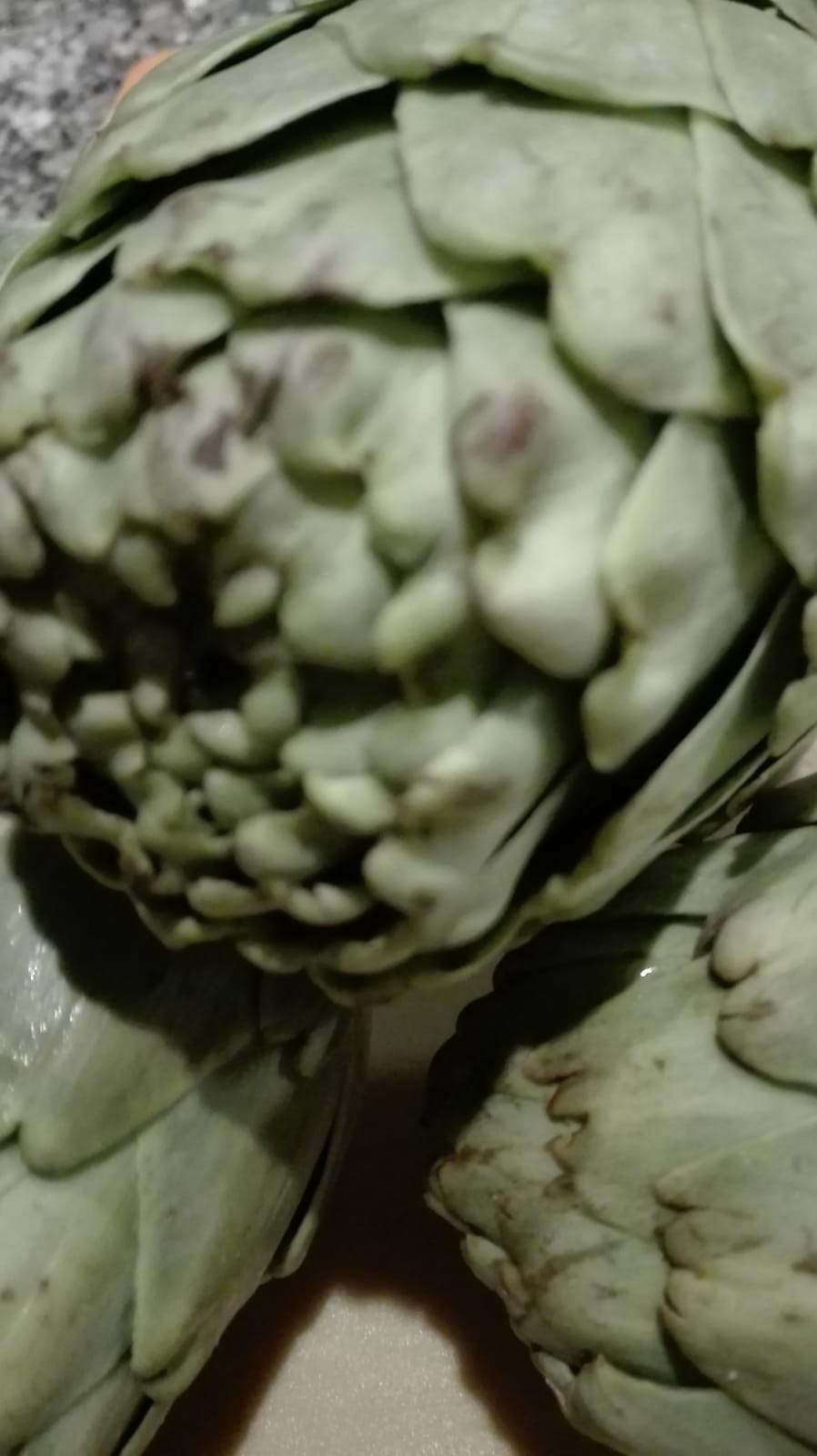
Artichokes have a reputation problem. Everyone knows they're healthy, but nobody quite wants to deal with them. Too many leaves, too much work, too much mystery beneath that green armour. And yet, if Zeus turned a woman into an artichoke out of wounded pride — more on that shortly — the vegetable must be worth the effort.
Our Valencian artichokes grow in the Huerta de Valencia, where mild winters without frost provide ideal growing conditions. They're harvested when you place your order. No cold storage, no post-harvest treatment. From the field to your kitchen.
The artichoke: from Greek goddess to Mediterranean staple
Cynara was so beautiful that Zeus made her a goddess. But she missed her family on Earth and went back. Zeus, bruised in the way only a Greek god can be, turned her into the first artichoke. Hence the scientific name: Cynara scolymus. Greek mythology: essentially a soap opera in togas.
Beyond the myth: 90% of the world's artichoke production comes from the Mediterranean basin. Spain is the second-largest producer after Italy. And along the Spanish Mediterranean coast — Valencia included — conditions are ideal: mild winters, no frost, just enough cold to trigger flowering.
What artichokes hide beneath their leaves
Under that armour, artichokes contain vitamins C, B2 and B3, antioxidants, minerals like potassium, calcium and magnesium, and a remarkable amount of fibre. They're one of the few vegetables that genuinely fill you up — which explains their popularity in weight-management diets.
But where artichokes truly stand out is liver health. Their main active compound, cynarin, has choleretic and cholagogue properties: it helps prevent fat accumulation in the liver, regulates cholesterol, prevents gallstone formation and has a diuretic effect. In Mediterranean folk medicine, artichoke leaf infusions have been used for liver complaints for centuries.
Artichokes are also recommended for regulating blood pressure, improving intestinal transit and supporting diabetes management.
Classic recipe: artichokes with garlic and white wine
This is the recipe our grandmothers made. Nothing fancy, nothing unnecessary. A good artichoke doesn't need tricks — it needs good produce, decent garlic and a bit of patience.
Ingredients
- 8 fresh artichokes
- 2 cloves of garlic
- 1 lemon (to prevent oxidation)
- Half a glass of white wine
- Extra virgin olive oil
- 1 tablespoon of breadcrumbs
- Salt and black pepper
Method
Remove the outer leaves, cut off the tips and stems. Halve the artichokes and submerge them in lemon water — skip this step and they'll turn brown before you find the pan.
Peel and slice the garlic, lightly brown it in a pan with olive oil. Add the drained artichokes and white wine. Season, sprinkle the breadcrumbs and add a little water. Cover and cook over medium heat for 20–25 minutes, until the artichokes are tender.
Serve warm. Goes beautifully with mandarin chicken — or simply with bread to mop up the sauce. Which is honestly what you want to do.
Frequently asked questions
When is artichoke season?
The main season runs from October to May, with peak quality between January and March. At CitrusRicus, we harvest artichokes to order during the season — no cold storage, no industrial warehousing.
How do you store fresh artichokes?
In the fridge, in the vegetable drawer, they'll keep for 5–7 days. Don't wash them until you're ready to cook. To freeze, blanch briefly first.
Are artichokes good for the liver?
Yes. Cynarin, the main active compound, stimulates bile secretion, regulates cholesterol and prevents fat accumulation in the liver. Artichoke leaf tea has been used in Mediterranean folk medicine for centuries.
Where do CitrusRicus artichokes come from?
From the Huerta de Valencia, on Spain's Mediterranean coast. Mild, frost-free winters provide ideal growing conditions. Our artichokes are harvested to order and delivered directly to your door — no middlemen, no warehousing.