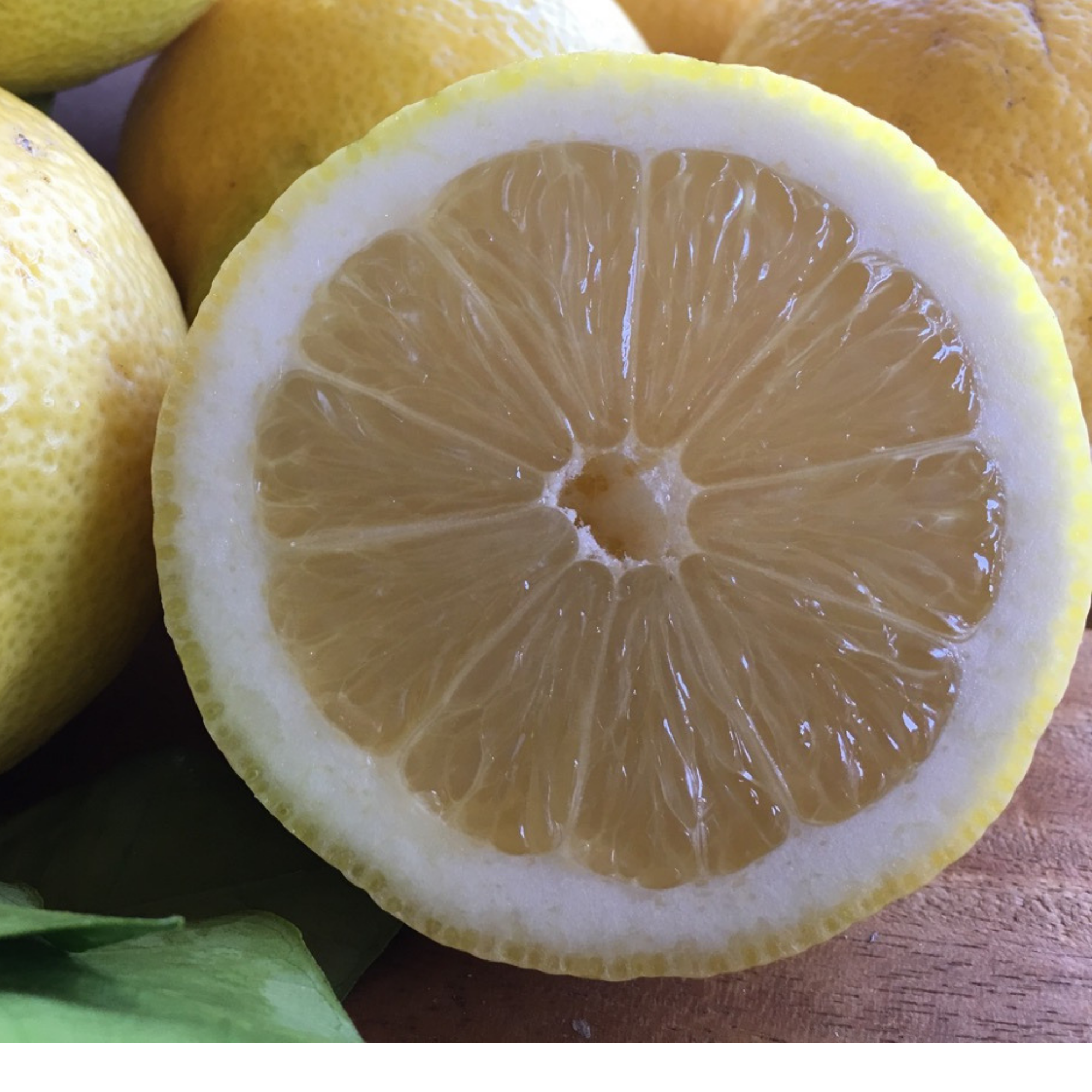
Mandarins and lemons for the immune system — what the science says
Every time the season changes, someone recommends taking more vitamin C. The advice is not bad, but it usually arrives wrapped in exaggerations about superfoods and miracle properties. The reality is simpler and rather more interesting: mandarins and lemons contain nutrients that contribute to the normal functioning of the immune system. They do not cure anything on their own, but they form part of a diet your body appreciates.
Our fresh mandarins from Valencia and our natural lemons arrive without post-harvest treatment. No wax, no fungicides. What ripens in the Valencia sun is what arrives at your door.
What mandarins and lemons bring to your immune system
Vitamin C is the best-known nutrient in citrus, and with good reason. A medium mandarin provides roughly 26 mg of vitamin C — about a third of the recommended daily intake. A whole lemon, around 30 mg. Vitamin C contributes to the normal functioning of the immune system and helps protect cells from oxidative stress. That is recognised by EFSA, not marketing.
But vitamin C is not the whole story. Mandarins contain beta-carotene (a precursor to vitamin A), flavonoids such as hesperidin, soluble fibre and potassium. Lemons add citric acid and limonene, a compound in the essential oils of the peel whose possible antioxidant properties are still being researched.
The key point is that these nutrients work better together than in isolation. A whole mandarin delivers more than a vitamin C tablet, because the fibre, flavonoids and micronutrients interact with one another.
How to work citrus into your diet without overcomplicating things
You do not need elaborate recipes. The most effective forms are the most direct.
Mandarin as a snack. One or two mandarins between meals. No preparation, no utensils. The fibre in the whole fruit satisfies more than juice and avoids blood-sugar spikes.
Water with lemon. One lemon squeezed into a glass of warm water in the morning. It is not a detox — that is not a real thing — but it is a pleasant way to hydrate and add vitamin C first thing.
Freshly squeezed mandarin juice. Three or four mandarins give you a generous glass. Best drunk straight away, as vitamin C degrades on exposure to air and light.
Lemon zest on savoury dishes. The peel of an untreated lemon grated over fish, salad or pasta brings aroma and some of the essential oils concentrated in the skin.
If you would like to use lemon peel in infusions, have a look at our article on the benefits of lemon peel tea.
Valencia citrus — why freshness matters
Vitamin C is sensitive to light, heat and time. A citrus fruit that has spent three weeks in cold storage contains less vitamin C than one freshly picked. The difference is not symbolic — studies at the Universitat Politècnica de València have documented significant losses of ascorbic acid in citrus stored in the cold for extended periods.
Our mandarins and lemons are picked at their peak and shipped directly. No cold storage, no treatment. The fruit that reaches your home is days old, not weeks.
Frequently asked questions
How many mandarins a day is reasonable?
Two or three mandarins a day is a sensible amount that covers a good share of daily vitamin C needs without excess sugar. As part of a varied diet, there is no issue with eating more.
Is whole fruit better than juice?
Yes. Whole fruit contains the fibre that juice loses during straining. That fibre slows sugar absorption and supports digestion. Juice is a valid option, but whole fruit offers more.
Do citrus fruits cure colds?
No. Vitamin C contributes to the normal functioning of the immune system, but it does not cure a cold once you have one. What it can do is help your body be better prepared to face them if you consume it regularly.
Which citrus does CitrusRicus sell?
Natural mandarins and lemons from Valencia, with no post-harvest treatment. Picked ripe and shipped directly to your home across Europe — no wax, no fungicides.