Bees and citrus — why without them there would be no oranges
If you eat an orange today, thank a bee. That is not a pretty line for a poster: it is a biological fact. Without pollination there is no fruit, and bees — along with other pollinating insects — are responsible for fertilising most of the crops we depend on for food. Citrus is no exception.
World Bee Day is observed on 20 May, established by the United Nations in 2017. But the relationship between bees and agriculture deserves attention for more than one day a year.
What bees do — beyond honey
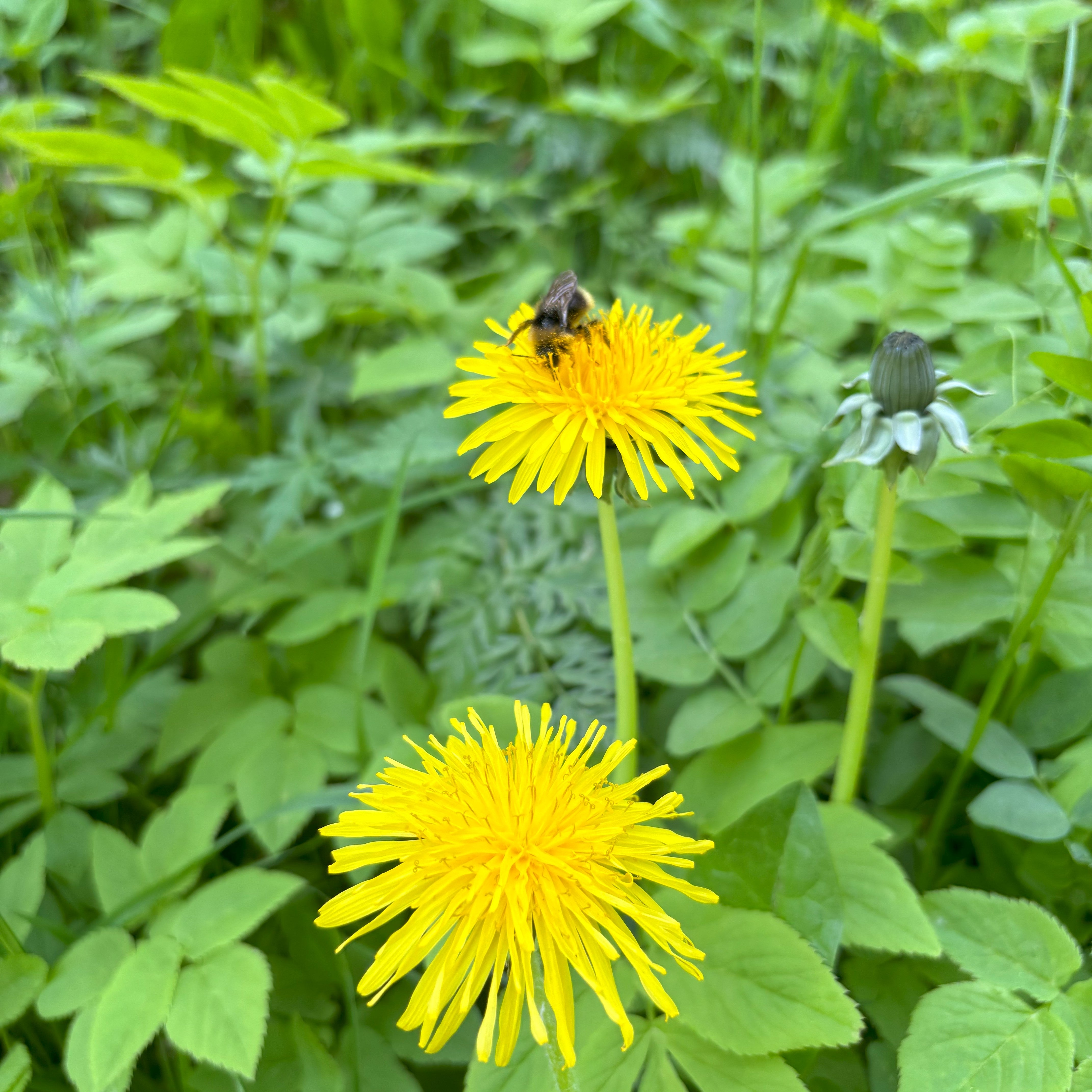
Bees are the most efficient pollinators on the planet. A single colony can pollinate millions of flowers within a radius of several kilometres. When a bee visits an orange-tree blossom to collect nectar, it carries pollen from one flower to another, enabling the fertilisation that produces the fruit.
The FAO estimates that 75 per cent of the world’s food crops depend to some degree on animal pollination, and bees are the principal agent. They do not just produce honey: they underpin the base of the food chain. Without pollinators, production of fruit, vegetables, nuts and oilseeds would fall dramatically.
In the citrus groves of Valencia’s huerta, the orange blossom — azahar — is one of the most important moments of the year. Bees spend weeks pollinating those flowers, and the harvest that later reaches your door depends directly on that pollination.
Why bees are in danger
The global bee population has been declining for decades. The causes are multiple and well documented: intensive use of neonicotinoid pesticides, habitat loss from monocultures and urbanisation, parasites such as the varroa mite, diseases and the effects of climate change on flowering cycles.
The problem affects not only honeybees — which produce honey and live in hives managed by beekeepers — but also wild pollinators: bumblebees, solitary bees, hoverflies and butterflies. These wild pollinators are often more efficient than managed honeybees for certain crops, and their decline is even less visible because nobody counts them.
The European Union restricted the use of three neonicotinoids — imidacloprid, clothianidin and thiamethoxam — in outdoor crops in 2018, based on evidence of their impact on bees. But insecticides are not the only threat: the simplification of the agricultural landscape — vast single-crop fields with no hedgerows, no wildflowers, no margins — also kills pollinators, this time by starvation.
What this has to do with citrus
Orange trees are self-compatible — they can technically be fertilised with their own pollen — but cross-pollination by insects significantly improves fruit set, especially in varieties such as the Navel. A grove with a healthy pollinator population produces more fruit and of better calibre than one without.
That is why farming practices that favour bees are not an ecological indulgence: they are a direct investment in the quality and quantity of the harvest. Cover crops between the trees provide alternative forage for pollinators when the orange trees are not in flower. Perimeter hedgerows serve as shelter. And the absence of broad-spectrum pesticides allows pollinator populations to remain stable.
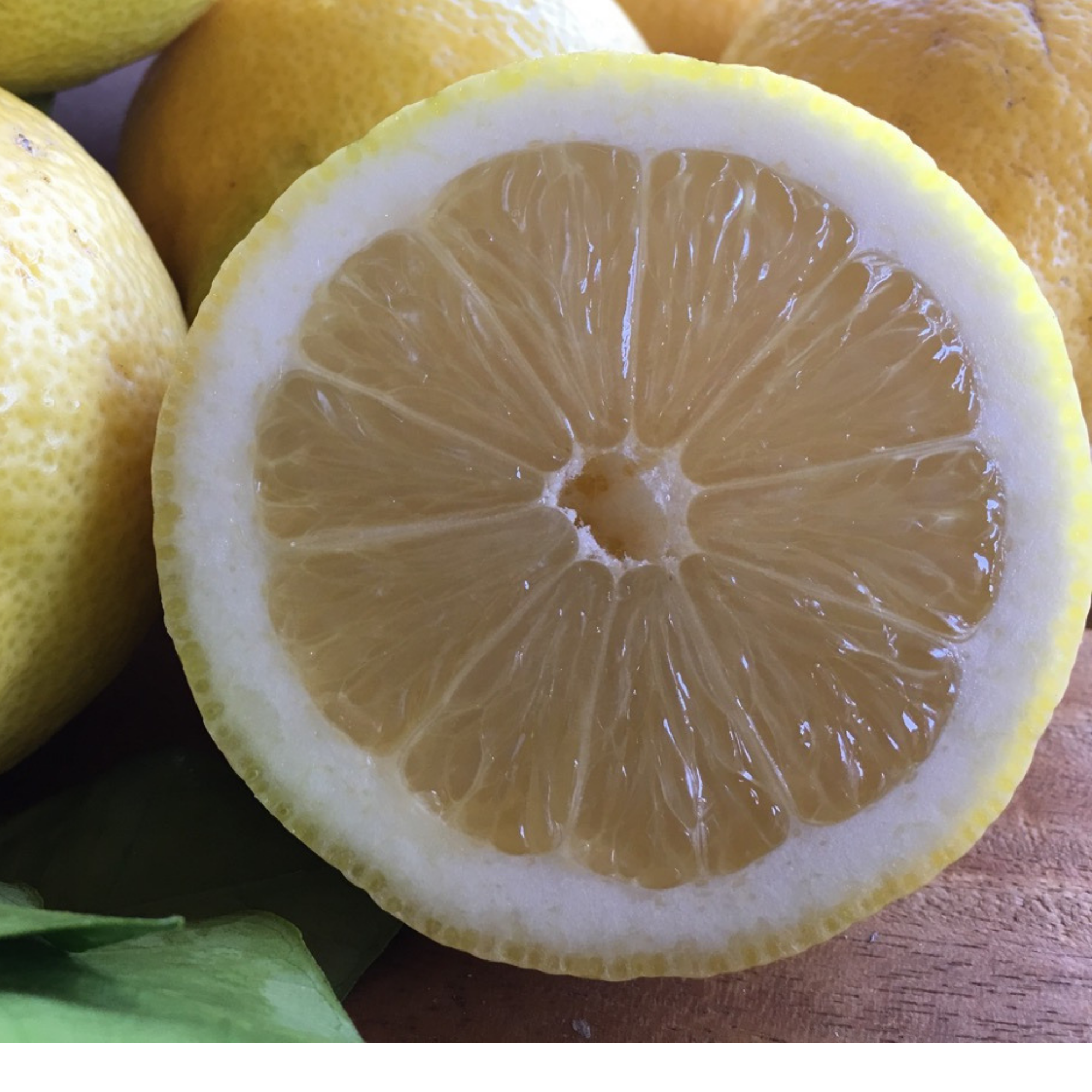
Our Valencia oranges grow in fields where bees are welcome, not a nuisance. We use no treatments that harm pollinators, and we maintain cover crops that provide them with food outside the blossom season.
What you can do
You do not need beehives on your balcony to help bees. Some actions with real impact include buying fruit directly from farmers who practise pollinator-friendly agriculture, planting native wildflowers if you have a garden or terrace, avoiding insecticide use in domestic spaces and supporting local beekeeping initiatives.
Every time you choose fruit produced without aggressive pesticides — such as the oranges and lemons we send straight from the tree to your door — you are voting with your purchase for a farming model compatible with the survival of bees.
Frequently asked questions
Do orange trees need bees?
Yes. Although orange trees can self-pollinate, cross-pollination by bees improves fruit set, producing oranges of better calibre and in greater quantity.
Why are bees disappearing?
The main causes are the use of neonicotinoid pesticides, habitat loss, parasites such as the varroa mite, diseases and the effects of climate change on flowering cycles.
What is the link between cover crops and bees?
Cover crops between the trees provide flowers and nectar for bees outside the orange-blossom season, ensuring year-round food and keeping pollinator populations stable.
Does CitrusRicus protect bees?
Yes. We use no treatments that harm pollinators, we maintain cover crops that provide them with food and we apply no post-harvest treatment or fungicides to our citrus.