Natura 2000 — what it is, what it protects in Valencia and what it has to do with citrus
European Natura 2000 Day falls on 21 May. If you do not know what it is, do not worry: most Europeans do not either, even if they live surrounded by sites that form part of it. Natura 2000 is the largest network of protected areas in the world, and several of the sites it comprises are just a few kilometres from the fields where our oranges grow.
Understanding what Natura 2000 is helps explain why sustainable farming is not a marketing slogan but a necessity for the ecosystems surrounding Valencia’s huerta to keep functioning.
What Natura 2000 is
Natura 2000 is an ecological network of the European Union made up of more than 27,000 protected sites covering roughly 18 per cent of the EU’s land territory and over 8 per cent of its marine territory. It is not a closed nature reserve: it is a network of sites where human activity — including farming — is allowed provided it is compatible with the conservation of the species and habitats being protected.
The network is composed of two types of site. Sites of Community Importance (SCIs), designated under the Habitats Directive, which protect threatened habitats and species. And Special Protection Areas (SPAs), designated under the Birds Directive, which protect key areas for migratory and threatened bird species.
Spain is the EU member state with the largest area included in Natura 2000 — more than 222,000 km², nearly 27 per cent of its land territory — and the Valencian Community has several sites of great ecological importance.
Natura 2000 in Valencia — the Albufera and beyond
The best-known Natura 2000 site near Valencia is the Albufera, designated as both an SCI and an SPA. It is a wetland of over 21,000 hectares including the lake, rice paddies, marshland and the coastal sandbar. As we explain in our article on World Oceans Day, the Albufera connects the huerta’s water system to the Mediterranean.
But the Albufera is not the only Natura 2000 site in the area. The inland mountain ranges — Serra Calderona, Serra d’Espadà, Serra de Mariola — are also included. And the coastal marshes dotting the Valencian coast harbour protected waterbird species that depend on water quality and the farming management of their surroundings.
Valencia’s orange groves are not inside Natura 2000, but they sit right next to it. What we do in the citrus fields directly affects the neighbouring protected ecosystems — irrigation-water quality, pollinator presence, soil biodiversity. The administrative boundary does not coincide with the ecological one.
Farming and Natura 2000 — coexistence is possible
One of the principles of Natura 2000 is that conservation and economic activity can coexist. The aim is not to ban farming but to manage it in a way compatible with conservation. In practice, this means farmers working in areas close to Natura 2000 sites have access to agri-environmental payments and programmes that compensate for use restrictions.
The sustainable-farming practices we apply in our fields — cover crops, reduced phytosanitary use, pollinator protection — are exactly the kind of management Natura 2000 promotes in agricultural areas adjacent to protected sites.
Why it matters for consumers
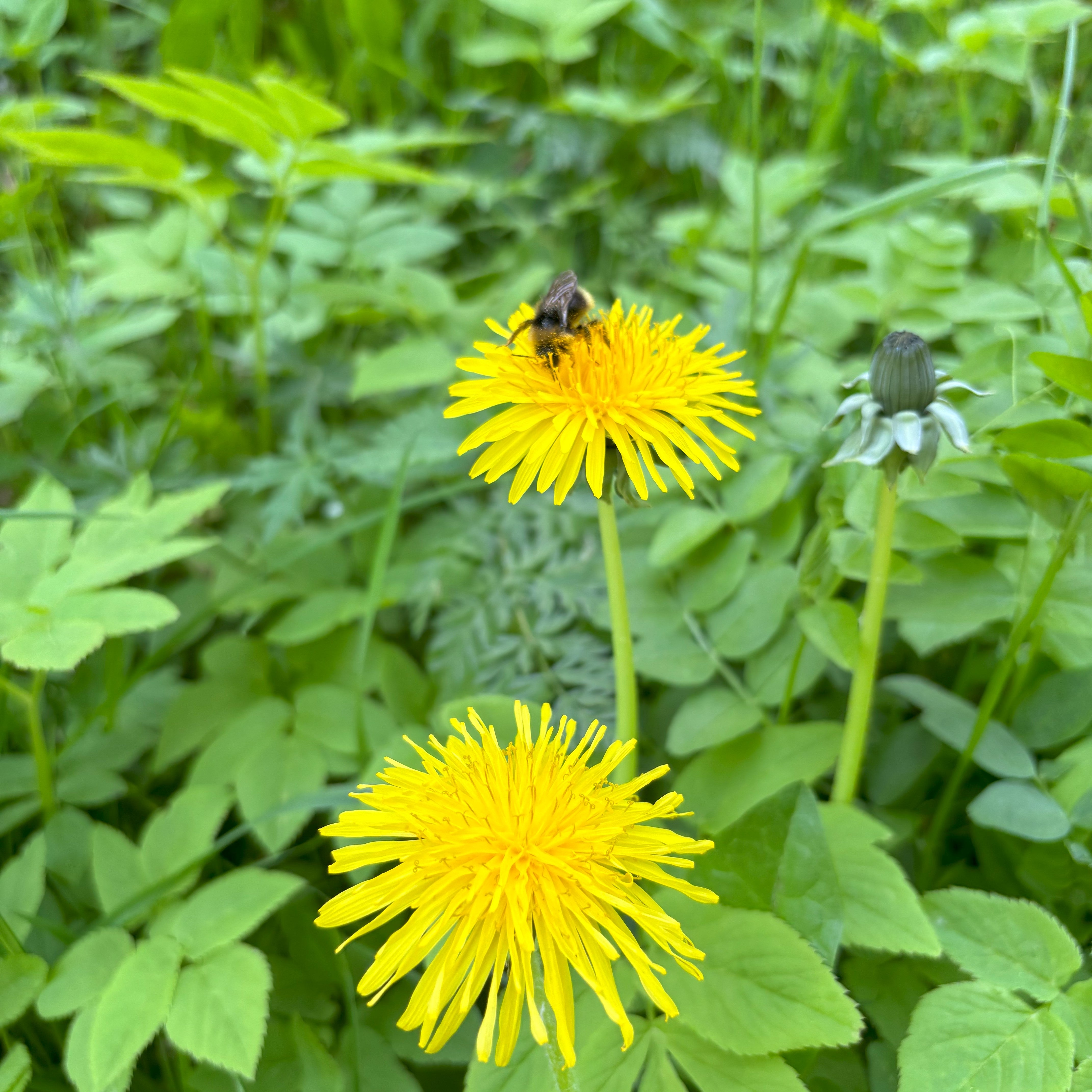
When you buy oranges directly from a farmer who works alongside protected sites and applies sustainable practices, you are funding a farming model that helps maintain the territory’s biodiversity. This is not an abstraction: the very bees that pollinate the orange trees depend on the wetlands protected by Natura 2000 to complete their life cycle.
Our citrus grows with no post-harvest treatment, no wax and no fungicides. That does not just mean cleaner fruit for you: it means fewer chemicals in the soil and water that end up reaching the protected ecosystems right next door.
Frequently asked questions
What is Natura 2000?
It is the world’s largest network of protected areas, made up of more than 27,000 sites in the European Union. It covers 18 per cent of the EU’s land territory and protects threatened habitats and species while allowing compatible economic activity.
When is European Natura 2000 Day?
It is celebrated on 21 May, coinciding with the date the Habitats Directive and the Birds Directive were adopted — the two pieces of legislation that underpin the network.
Which Natura 2000 sites are near Valencia?
The best known is the Albufera, designated as both an SCI and an SPA. The inland mountain ranges (Calderona, Espadà, Mariola) and several coastal marshes are also part of the network.
Can farming take place in Natura 2000?
Yes, provided it is compatible with conservation. Natura 2000 does not ban farming: it promotes sustainable management and offers agri-environmental payments to farmers who meet the requirements.