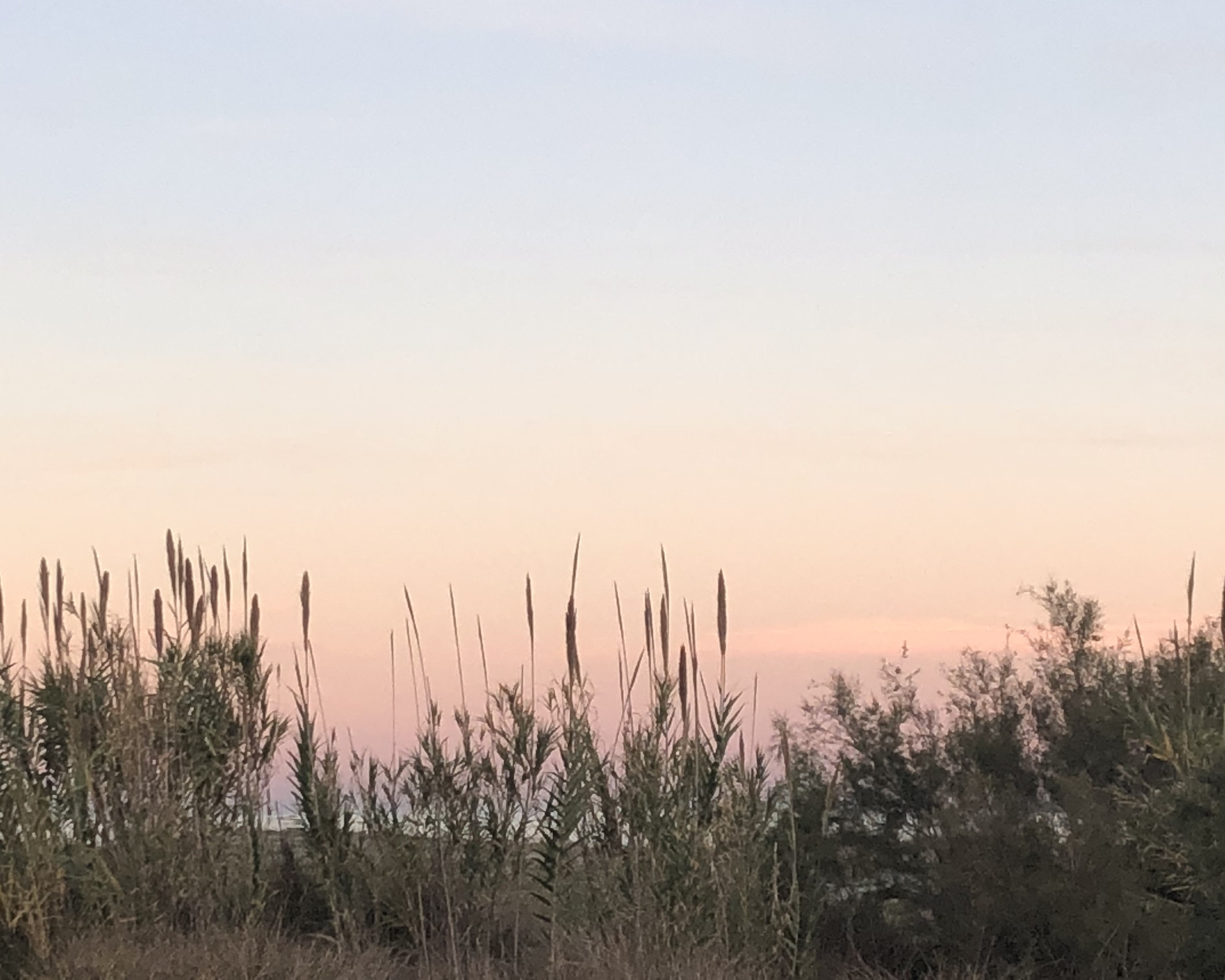
Meteorological summer and astronomical summer — the difference and how it affects citrus
Summer starts on 1 June. Or 20–21 June. It depends on whom you ask. If you ask a meteorologist, summer began on 1 June. If you ask an astronomer, it does not start until the solstice, around 20 or 21 June. And if you ask a Valencian citrus farmer, summer is that time of year when the orange trees stop bearing fruit and start preparing the next harvest under a sun that melts the tarmac.
The distinction between meteorological and astronomical summer is not trivial. It has real implications for farming, for water management and for understanding what happens to orange trees during the hottest months.
Meteorological summer — 1 June to 31 August
Meteorological summer is defined by convention: it covers the three warmest months of the year in the northern hemisphere, namely June, July and August. Meteorologists and climatologists use this definition because it simplifies statistical analysis — complete months are easier to compare than periods that start and end on variable dates.
For a farmer, this definition makes the most sense. The heat does not wait for the solstice to arrive: in Valencia, maximum temperatures start regularly exceeding 30 °C from early June. And the orange trees notice. Heat stress, water demand and the risk of sunscald on leaves begin well before the astronomical calendar says it is summer.
Astronomical summer — from the solstice to the equinox
Astronomical summer begins with the summer solstice — between 20 and 21 June in the northern hemisphere — and ends with the autumn equinox, around 22–23 September. This definition is based on the Earth’s position relative to the Sun: the solstice marks the day with the most daylight hours, when the Earth’s axis reaches its maximum tilt towards the Sun.
It is the definition the traditional calendar uses and the one that determines official seasons. But from an agricultural standpoint it has a problem: September in Valencia is not summer. It is the month when autumn rains begin, the fields prepare for the new citrus season and night-time temperatures start to drop — conditions the orange trees need so the fruit can accumulate sugars and develop colour.
What happens to orange trees in summer
Summer — whichever definition you use — is a critical period for Valencia’s orange trees. It is not harvest season (the main campaign runs from November to June, depending on variety), but it is when the trees carry out physiological processes that are fundamental for the next season.
In June the physiological fruit drop occurs: the tree sheds the fruit it cannot sustain and keeps those that will achieve the best size and quality. In July and August, the surviving fruit grows and accumulates acids. And throughout summer, the tree needs constant irrigation — in Valencia’s huerta, the acequias work at full capacity distributing water from the Turia.
Extreme heat — heatwaves with temperatures above 40 °C — can cause sunburn on the fruit, especially on fruit facing south and west. Cover crops help regulate soil temperature, but against a sustained heatwave, irrigation management is the farmer’s main tool.
The thermal contrast — why September matters so much
The transition between summer and autumn is the most important moment for fruit quality. Oranges need a thermal contrast between day and night to develop colour — the nocturnal temperature drop triggers chlorophyll degradation and carotenoid synthesis, giving the orange its characteristic colour.
If September remains very hot — something increasingly frequent due to climate change — the oranges take longer to colour and may reach the market with green skin even though they are ripe inside. This does not affect flavour or nutritional quality, but it does affect consumer perception, which associates green with unripe.
For farmers who ship fruit directly to the consumer, this is actually an advantage: we can explain that skin colour does not determine ripeness. A green orange in November can be perfectly ripe and sweeter than an orange-coloured supermarket orange that has been de-greened with ethylene in a chamber.
Frequently asked questions
What is the difference between meteorological and astronomical summer?
Meteorological summer runs from 1 June to 31 August (the three warmest months). Astronomical summer runs from the summer solstice (20–21 June) to the autumn equinox (22–23 September). For farming, the meteorological definition is more useful.
Are oranges harvested in summer?
The main orange campaign runs from November to June. In summer, orange trees are in the fruit-growth phase and preparing the next harvest. Some late varieties such as Valencia Late can be picked until July.
How does extreme heat affect orange trees?
It can cause sunburn on fruit, increase water stress and reduce fruit-set quality. Cover crops and proper irrigation are the main management tools.
Why are some oranges green on the outside but ripe inside?
Because skin colour depends on the day–night thermal contrast, not on internal ripeness. If September–October nights are warm, the orange does not colour but can be perfectly ripe and sweet.