World Oceans Day — what the sea has to do with your Valencia oranges
World Oceans Day falls on 8 June. Before you think this has nothing to do with a citrus shop, let us explain something: the Albufera of Valencia — the freshwater lake that feeds the rice paddies and connects the huerta to the Mediterranean — is the point where Valencian agriculture and the sea meet. What happens in the ocean affects the climate, the water and, ultimately, the orange trees.
This is not an article about whales. It is an article about why a Valencian citrus farmer cares what happens at sea.
The Mediterranean and citrus — a direct relationship
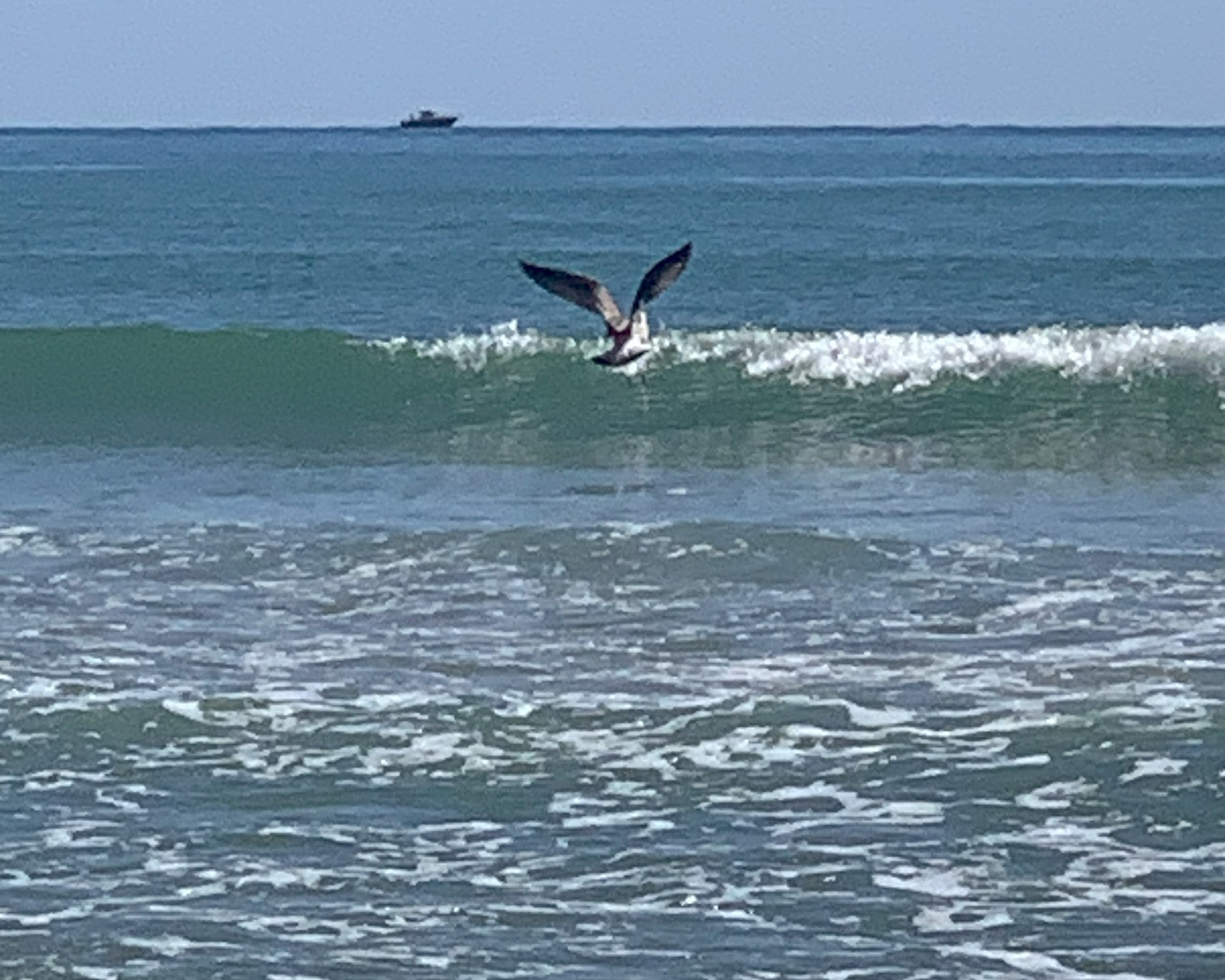
The Mediterranean climate is what makes Valencian citrus farming possible: mild winters, warm summers, rainfall concentrated in autumn and spring. That climate exists because the Mediterranean Sea acts as a thermal regulator — absorbing heat in summer and releasing it in winter, softening temperature extremes.
When the Mediterranean warms beyond normal — and it is doing so, with summer surface temperatures exceeding 28–30 °C with growing frequency — the consequences for agriculture are direct. A warmer Mediterranean loads more moisture into the atmosphere, increasing the intensity of autumn torrential rains. And those rains, as we explain in our article on Caribbean hurricanes and storms, are one of the main threats to Valencia’s orange groves.
The Albufera — where the huerta meets the sea
The Albufera of Valencia is a natural park covering 21,120 hectares that includes a lake, marshland, rice paddies and a sandbar separating it from the Mediterranean. It is one of the most important wetlands on the Iberian Peninsula and a key biodiversity hotspot for the region.
The Albufera rice paddies — where the rice that ends up in paella is grown — depend on the same water system that irrigates Valencia’s huerta. The quality of the water reaching the lake affects the paddies, the wetlands and the sea that receives the outflow. It is a connected system: what happens in the orange groves upstream ends up in the Albufera, and what happens in the Albufera ends up in the Mediterranean.
That is why sustainable farming in the huerta is not just about fruit quality: it is about the health of the entire ecosystem. Fields that use cover crops, reduce phytosanitary use and look after the soil help ensure the water reaching the Albufera and the sea is cleaner.
What threatens the oceans — and why it affects us
The oceans absorb roughly 30 per cent of the CO₂ we emit and more than 90 per cent of the excess heat generated by the greenhouse effect. They are doing the heavy lifting of climate change, and the consequences are measurable: acidification, sea-level rise, loss of marine biodiversity and disruption of ocean currents.
For the Valencian coast, sea-level rise is a real threat. The Albufera, already at sea level, is especially vulnerable. Saline intrusion — seawater penetrating coastal aquifers — affects irrigation-water quality in areas closest to the shore. And coastal erosion reshapes the shoreline, affecting infrastructure and ecosystems.
What agriculture can do
Sustainable farming contributes to ocean health in tangible ways. Reducing nutrient run-off — nitrates and phosphates from fertilisers — decreases eutrophication of coastal waters, which causes algal blooms and dead zones. Maintaining healthy soils with cover crops reduces erosion and the soil loss that ends up in rivers and seas. And minimising agricultural plastics — trays, stakes, plastic mulch — reduces the pollution reaching the Mediterranean.
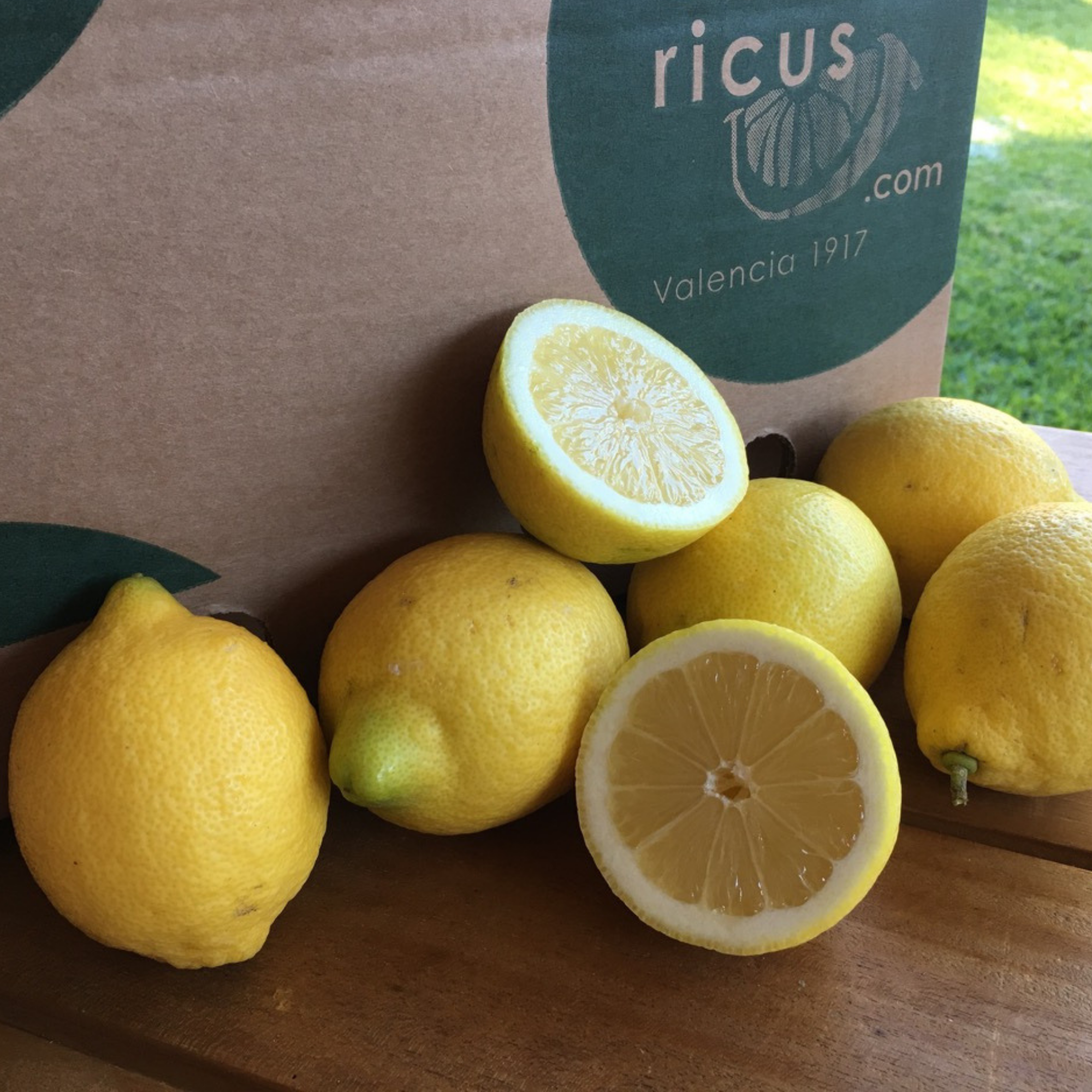
Our citrus is shipped with no post-harvest treatment, no wax and no fungicides. That is not just better for you: it is better for the ecosystem that produces them and for the sea just a few kilometres from our groves.
Frequently asked questions
When is World Oceans Day?
It is celebrated on 8 June, established by the United Nations to raise awareness of the importance of the oceans and the need to protect them.
What link is there between the Mediterranean and Valencian citrus?
The Mediterranean regulates the climate that allows citrus farming. Its warming increases the intensity of torrential rains affecting orange groves, and saline intrusion can damage irrigation-water quality.
What is the Albufera of Valencia?
It is a natural park of over 21,000 hectares including a lake, rice paddies and wetlands. It connects the Valencian huerta’s water system to the Mediterranean and is key to regional biodiversity.
How does sustainable farming help the sea?
By reducing nutrient and phytosanitary run-off, minimising soil erosion, cutting agricultural plastic use and keeping healthy the ecosystems that connect land and water.