Valencia’s huerta — what it is, why it matters and what it has to do with your oranges
Valencia's huerta is one of those landscapes people think they know because they have seen a photo on Instagram. Green fields, irrigation channels, a chap in a hat. But the huerta is not a film set: it is an agricultural system that has been running on Valencia's coastal plain for over a thousand years, feeding entire generations with whatever the land and the water of the Turia provide.
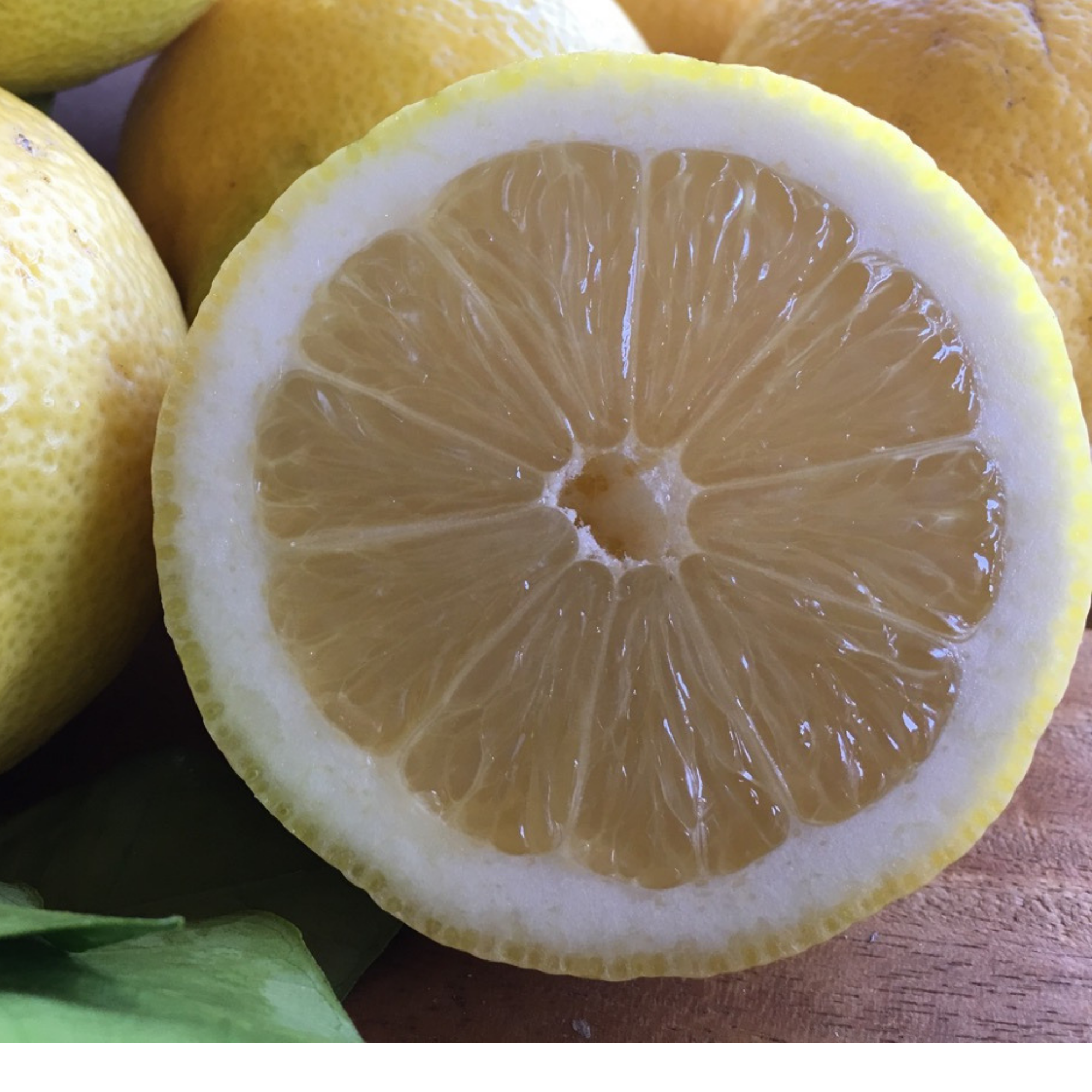
Our Valencia oranges grow in this huerta. No post-harvest treatment, no wax, no fungicides. What ripens under the Valencian sun is what arrives at your door.
What is Valencia's huerta — beyond the pretty landscape
The Valencian huerta covers roughly 12,000 hectares of the alluvial plain formed by the River Turia and the Albufera lagoon. It is one of Europe's oldest continuously farmed agricultural landscapes. Orange trees, lemon trees, persimmons, artichokes, onions, tomatoes and practically everything that thrives in a Mediterranean climate grow here.
What makes the huerta special is not only the soil — although the nutrient-rich alluvial soil has a great deal to do with it — but the irrigation system that sustains it. The acequias that distribute the water have been operating since the eighth century, when the Arabs engineered a network of channels that still structures the territory today. The Tribunal de las Aguas, which meets every Thursday at noon outside Valencia Cathedral to settle irrigation disputes, has been a UNESCO Intangible Cultural Heritage site since 2009. It has been meeting without interruption since the year 960.
A thousand years of weekly meetings to share water. Every residents' committee on the planet should take notes.
The acequias — the system that keeps the huerta alive
The huerta's irrigation system works by gravity. No pumps, no electricity. Water from the Turia is distributed through eight main acequias — Quart, Benàger i Faitanar, Tormos, Mislata, Mestalla, Favara, Rascanya and Rovella — which in turn branch into smaller channels until they reach every single plot.
This design, brought by the Arabs in the eighth century, makes Valencia's huerta one of the few thousand-year-old irrigation systems still active in Europe. Water is allocated by turns, and the order is respected with a discipline that would make any modern project manager weep with envy.
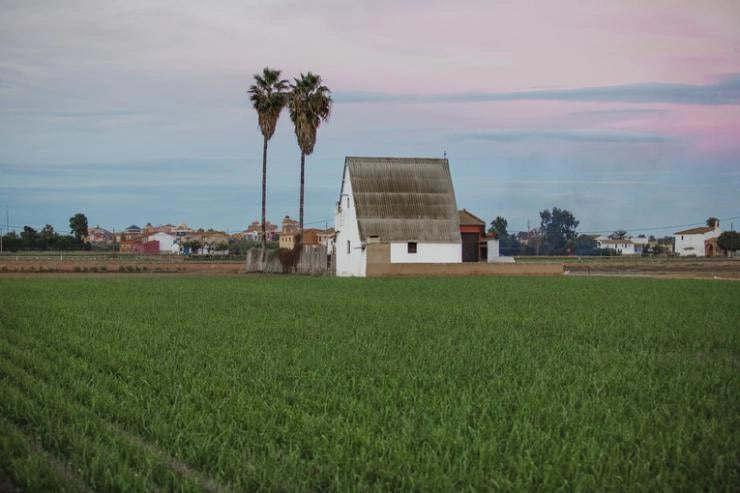
The barracas — the traditional huerta farmhouses with two-pitched roofs of reeds and mud — complete the landscape. Few remain, but those that survive are a reminder that people here once lived where they farmed, with no separation between home and field.
Oranges and the huerta — a centuries-old relationship
The orange tree arrived in Valencia in the fifteenth century, yet it was not until the eighteenth that the Valencian orange became an export product. For over a century, oranges drove the region's economy. The huerta villages grew around orange groves, and the culture of the orange — from hand-picking to shipping in wooden crates — defined Valencian identity as much as paella or Las Fallas.
Today the picture is more complicated. Urban sprawl, competition from cheap imported citrus and the abandonment of plots all threaten the huerta. But the farmers who still work this land do so with a conviction that economics alone does not explain: they do it because they know that an orange ripened under the Valencian sun, picked at its peak, without treatments, is a product no supermarket on earth can match.
Our oranges and natural lemons come from this huerta. They are picked when you order them. No cold storage, no middlemen. From the tree to your door in 24–72 hours.
Why protecting Valencia's huerta matters
Valencia's huerta has lost more than 30 per cent of its cultivable land in recent decades. Roads, housing estates and shopping centres have been chipping away at a landscape that fed the city for over a thousand years. The Pla d'Acció Territorial de l'Horta de València (PAT) is trying to stem the bleeding, but pressure on agricultural land does not vanish by decree.
What does make a difference is buying direct. Every time you purchase fruit straight from a huerta farmer — instead of an orange imported from South Africa in a supermarket — you are funding the survival of a system that has been running since before Spain existed as a country. That is not nostalgia: it is economics applied to the land.
If you would like to learn how weather affects the huerta's citrus, have a look at our article on how September rains influence citrus fruit.
Frequently asked questions
What is grown in Valencia's huerta?
Orange trees, lemon trees, mandarin trees, persimmons, artichokes, onions, tomatoes, broad beans and many more Mediterranean vegetables and fruit trees. The diversity of crops is one of the Valencian huerta's hallmarks.
What are Valencia's acequias?
They are the irrigation channels that distribute water from the River Turia to the huerta's plots. They were engineered by the Arabs in the eighth century and remain in operation today. The Water Tribunal, which governs their use, is a UNESCO Intangible Cultural Heritage site.
Is Valencia's huerta under threat?
Yes. It has lost more than 30 per cent of its cultivable land to urbanisation. Protection plans such as the PAT exist, but the most effective defence is buying local produce directly, which allows farmers to keep working the land.
What is CitrusRicus's connection to the huerta?
Our citrus fruit grows in the Valencian huerta. It is picked at peak ripeness and sent straight to your door with no post-harvest treatment, no wax and no fungicides. Buying directly from the farmer is a tangible way to support the huerta's future.