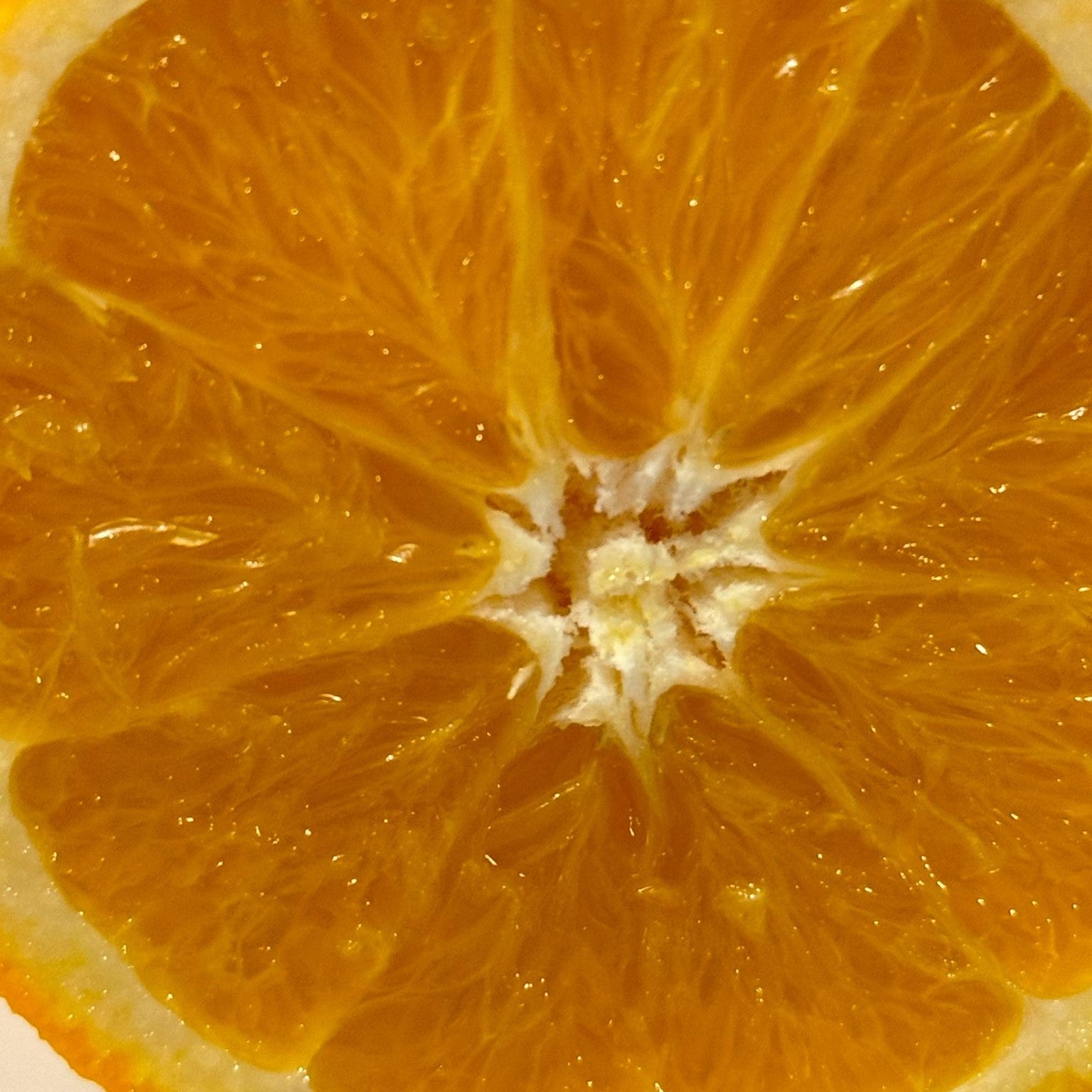
The clock change and summer time — why it exists, what effects it has and what happens to orange trees
Every last Sunday in March, the clocks go forward one hour. We lose sixty minutes of sleep and gain an hour of daylight in the evening. And every year, the same question: what exactly is the point? The short answer is that nobody is really sure any more. The long answer involves energy saving, biological rhythms and, yes, orange trees.
Why summer time exists
The idea of putting clocks forward in summer to make the most of natural daylight is attributed to Benjamin Franklin (who suggested it half in jest in 1784) and was first officially implemented during the First World War to save coal. The logic was simple: if people wake and sleep following the sun, they use less energy on artificial lighting.
The European Union adopted the seasonal clock change in a coordinated fashion in 1996. Since then, clocks go forward one hour on the last Sunday of March and back on the last Sunday of October. Every member state does it on the same day at the same time — 2:00 a.m. becomes 3:00 a.m. in March, and 3:00 a.m. reverts to 2:00 a.m. in October.
In 2018, the European Commission proposed abolishing the seasonal clock change after a public consultation in which 84 per cent of participants voted in favour of scrapping it. But the proposal stalled in the European Council because member states could not agree on whether to keep summer time or winter time. As of today, we still change the clocks twice a year.
What effects it has on people
The spring clock change — the one that takes an hour of sleep away — has measurable effects on the body. Various studies have documented a temporary increase in sleep disorders, a slight rise in myocardial infarctions in the days following the change, a higher incidence of road accidents due to drowsiness and mood disturbances.
These effects are explained by the disruption to the circadian rhythm. The human biological clock is synchronised with sunlight, and an abrupt one-hour shift — even though it seems small — forces the body to readjust the production of melatonin, cortisol and other hormones that regulate sleep and wakefulness. Full adaptation takes between three and seven days, and in sensitive individuals it can last longer.
It is in this adaptation window that spring fatigue appears — the coincidence of the clock change with increased light and temperature multiplies the feeling of tiredness.
The clock change and orange trees
Orange trees could not care less about the clock change. Trees do not wear watches. But summer time does indirectly affect citrus farming because it shifts the working hours of farmers and, above all, irrigation schedules.
In Valencia’s huerta, acequia irrigation turns are organised by the hour. When the clocks go forward, the turns shift and farmers must adjust their routines. In summer, irrigation is done preferably first thing in the morning or at dusk to minimise evaporation — and an extra hour of light either way changes the optimal irrigation window.
For Valencia oranges, the March clock change coincides with the end of the mid-season varieties and the start of the late ones. It is a time when the trees need attention for the coming blossom — and the farmers need every hour of daylight to work in the fields.
The debate — permanent summer time or winter time?
If the clock change is ever abolished, the question is which to keep. Chronobiologists — the scientists who study biological rhythms — overwhelmingly recommend permanent winter time (GMT+1 in Spain), because it most closely matches real solar time and best respects circadian rhythms. Permanent summer time (GMT+2) would mean very late sunrises in winter — in Valencia the sun would not rise until nearly 9:30 a.m. in December — with negative effects on sleep and health.
For farmers in the Valencian huerta, permanent winter time would also have advantages: earlier sunrises in summer (when working in the cool of the morning matters most) and sunsets that, while earlier, are offset by the naturally longer days in the warm months.
Frequently asked questions
When do the clocks change to summer time?
On the last Sunday of March, at 2:00 a.m., clocks go forward to 3:00 a.m. One hour of sleep is lost and an hour of evening daylight is gained.
Why does the clock change exist?
It was introduced to save energy by making the most of natural daylight. It has been coordinated across the EU since 1996. In 2018 a proposal to abolish it was made, but no agreement has been reached among member states.
What health effects does the clock change have?
It can cause sleep disorders, a slight increase in heart attacks, a higher incidence of road accidents and mood disturbances. Full adaptation takes between three and seven days.
Does the clock change affect orange trees?
Not directly — trees respond to sunlight, not to clocks. But it affects farmers’ irrigation and working schedules, especially in the management of the Valencian huerta’s acequias.