Oranges, carrots and brain health — what the science says about carotenoids
Every so often a headline appears saying something like “eating oranges prevents Alzheimer’s”. It is the kind of headline that generates clicks, hope and, unfortunately, a considerable amount of misunderstanding. The reality is more nuanced than that, but no less interesting.
The relationship between diet and brain health is an active field of research. There are observational studies that find associations between the consumption of certain foods and less cognitive decline. But association is not causation, and an observational study is not the same as proof. Here we tell you what we actually know.
What carotenoids are and where they are found
Carotenoids are natural pigments responsible for the yellow, orange and red colours of many fruits and vegetables. The best known are beta-carotene (carrots, sweet potato, pumpkin), lutein and zeaxanthin (spinach, kale, sweetcorn) and beta-cryptoxanthin (oranges, mandarins, persimmons).
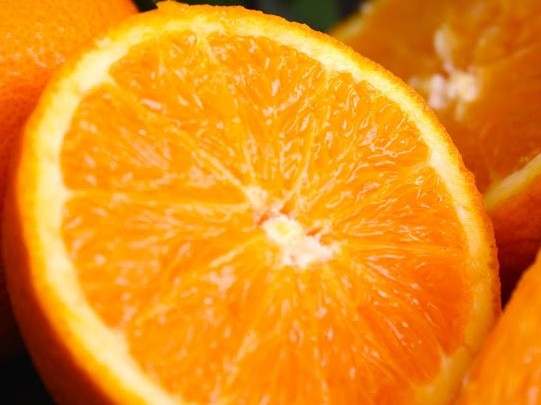
Valencia oranges are a significant source of beta-cryptoxanthin and also contain smaller amounts of lutein and beta-carotene. Carrots are the best-known source of beta-carotene. Both foods supply carotenoids, but of different types and in different proportions.
The body does not produce carotenoids: it obtains them exclusively from the diet. Some carotenoids, such as beta-carotene, are precursors of vitamin A — the body converts them into vitamin A as needed.
What the studies say about carotenoids and the brain
Several epidemiological studies have observed that people with higher blood levels of carotenoids tend to show less cognitive decline with age. A study published in Neurology in 2022 analysed data from more than 7,000 people over more than 20 years and found an association between higher blood levels of lutein and zeaxanthin and a lower risk of dementia.
It is important to understand what this means and what it does not. It means that, in the population studied, people who ate more carotenoid-rich foods had better cognitive health. It does not mean that eating oranges or carrots prevents Alzheimer’s. There may be many confounding factors: people who eat more fruit and vegetables also tend to exercise more, smoke less and have higher educational levels — all of them independent protective factors.
As of today, no health authority has approved a claim linking carotenoid consumption with the prevention of Alzheimer’s or dementia. The EFSA has not authorised any health claim to that effect.
What is actually proven about oranges and health
What is supported by science and authorised by the EFSA is that vitamin C — present in significant quantities in oranges — contributes to the protection of cells from oxidative stress, to the normal function of the immune system and to the reduction of tiredness and fatigue. These are verified health claims, not sensationalist headlines.
A medium orange provides roughly 70 mg of vitamin C, covering more than 85 per cent of the recommended daily intake. Our oranges are sent straight from the tree to your door with no post-harvest treatment, no wax and no fungicides, ensuring that their vitamin C is at peak concentration.
Beyond vitamin C, oranges supply fibre, folic acid, potassium and flavonoids such as hesperidin. Carrots supply beta-carotene, fibre and potassium. Both are nutritionally valuable foods that belong in any balanced diet.
The Mediterranean diet and brain health
If there is one dietary pattern that science consistently links with better brain health, it is the Mediterranean diet: rich in fruit, vegetables, pulses, nuts, olive oil and fish. Valencia’s huerta produces many of this diet’s key ingredients — oranges, artichokes, tomatoes, onions — and the Mediterranean lifestyle includes protective factors such as physical activity, social life and exposure to natural light.
It is not a single food that makes the difference: it is the complete pattern. And within that pattern, oranges and carrots occupy a relevant but not miraculous place.
Frequently asked questions
Do oranges prevent Alzheimer’s?
There is insufficient scientific evidence to make that claim. Some observational studies find an association between high blood carotenoid levels and less cognitive decline, but association is not causation. No health authority has approved that claim.
Which carotenoids do oranges contain?
Oranges contain beta-cryptoxanthin as their main carotenoid, plus smaller amounts of lutein and beta-carotene. They are also a significant source of vitamin C and flavonoids.
What proven benefits does vitamin C have?
According to the EFSA, vitamin C contributes to the protection of cells from oxidative stress, to the normal function of the immune system and to the reduction of tiredness and fatigue.
Which diet is best for brain health?
The Mediterranean diet is the dietary pattern with the most scientific evidence of association with better cognitive health: rich in fruit, vegetables, pulses, olive oil and fish. It is not a single food but the complete pattern that makes the difference.