Tangerines - the good luck fruit
Why is the mandarin the fruit of good luck? In Chinese, “luck” sounds like “mandarin” and “well-being” sounds like “orange”: thanks to that play on words, mandarins and oranges are given at Lunar New Year as a symbol of fortune, happiness and prosperity. Here is where the tradition comes from and how it is lived today.
Especially in Chinese culture, mandarins and oranges play an important role in the biggest celebration of the year: the Lunar New Year or Spring Festival. Celebrations begin on the first day of the first lunar month and end on the 15th with the Lantern Festival. Although younger generations lean more and more towards a Western lifestyle, the old customs are kept alive and adapted.
To leave behind the difficulties of the old year, it is customary to deep-clean the house, buy new clothes for the occasion and settle old debts. The new year is welcomed with a family celebration and street parades.
The best gift for friends, family and colleagues? Mandarins and oranges: the word for “luck” in Chinese sounds like “mandarin”, and the word for “well-being” sounds like “orange”. Through this play on words, mandarins and oranges are associated with good luck, happiness and prosperity. Their colour also resembles gold, symbolising abundance and wealth.
So shop windows, offices and homes are decorated with oranges and mandarins. Many families place miniature orange trees at the entrance — always two, because the number two is also a symbol of luck, doubling happiness and prosperity.
Mandarins are not only given at the Spring Festival: they also bring luck to a new home and are a frequent wedding gift. Remember: always an even number, symbolising harmony and balance!
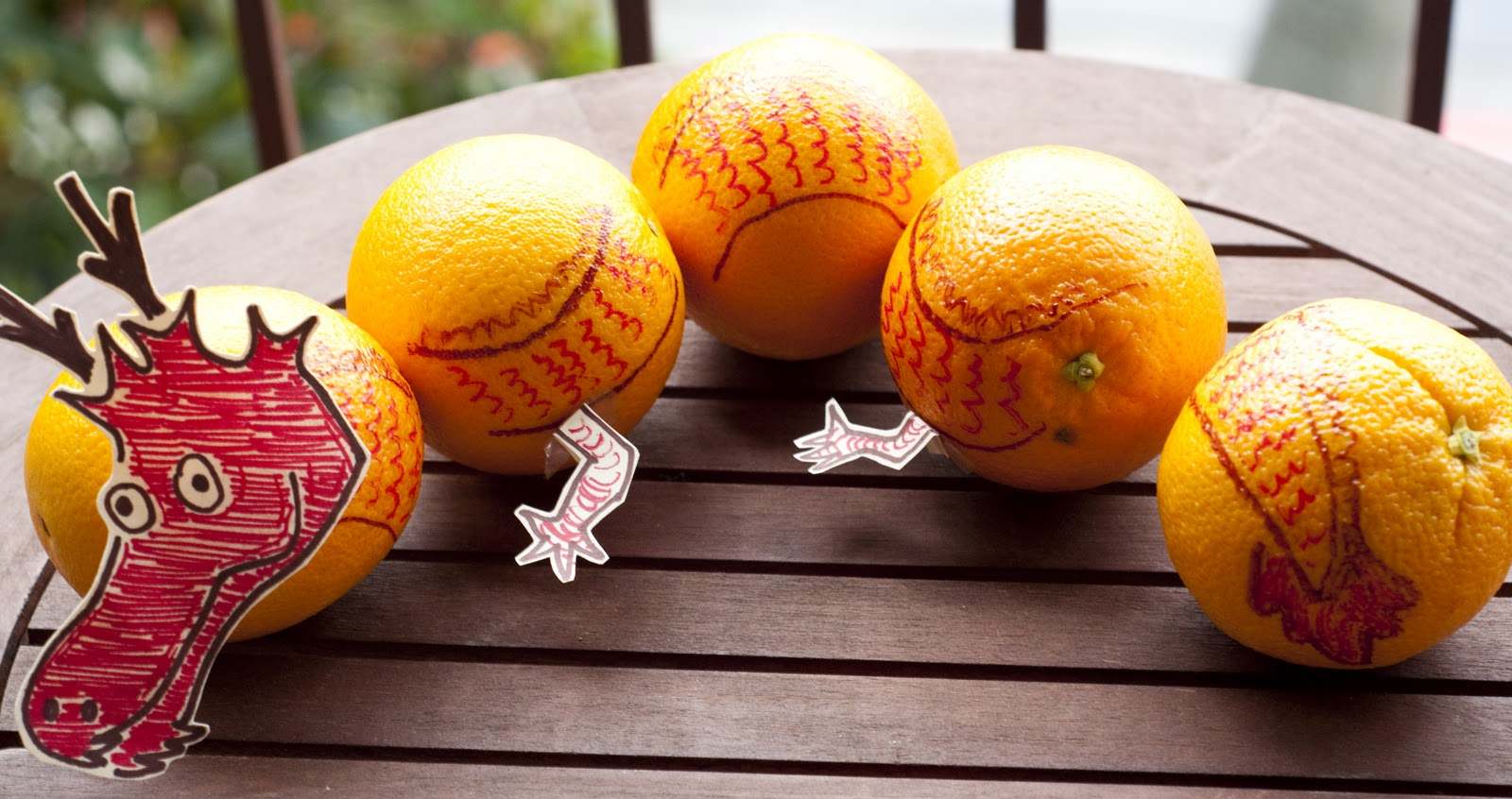
If you want to give real luck, our Valencian mandarins are picked the day you order — no waxes, no post-harvest treatments, from the orchard our family has farmed since 1917. And if you prefer the full fortune pack, the mixed box of oranges and mandarins brings both prosperity fruits together in one delivery.