Las Fallas de Valencia — what they are, why they burn and what they have to do with oranges
Every March, Valencia becomes a city that spends months building enormous monuments only to burn them in a single night. Seen from the outside it looks like madness. Seen from the inside it looks like madness too, but with a point: Las Fallas are a festival that celebrates social criticism, fire as renewal and the Valencian talent for taking absurd-looking things deadly seriously.
Las Fallas have been a UNESCO Intangible Cultural Heritage site since 2016. That is no small accolade. It is the festival of a city that, between mascletàs, ofrenda and cremà, still functions as a neighbourhood community in the twenty-first century.
What are Las Fallas — ephemeral monuments with a message
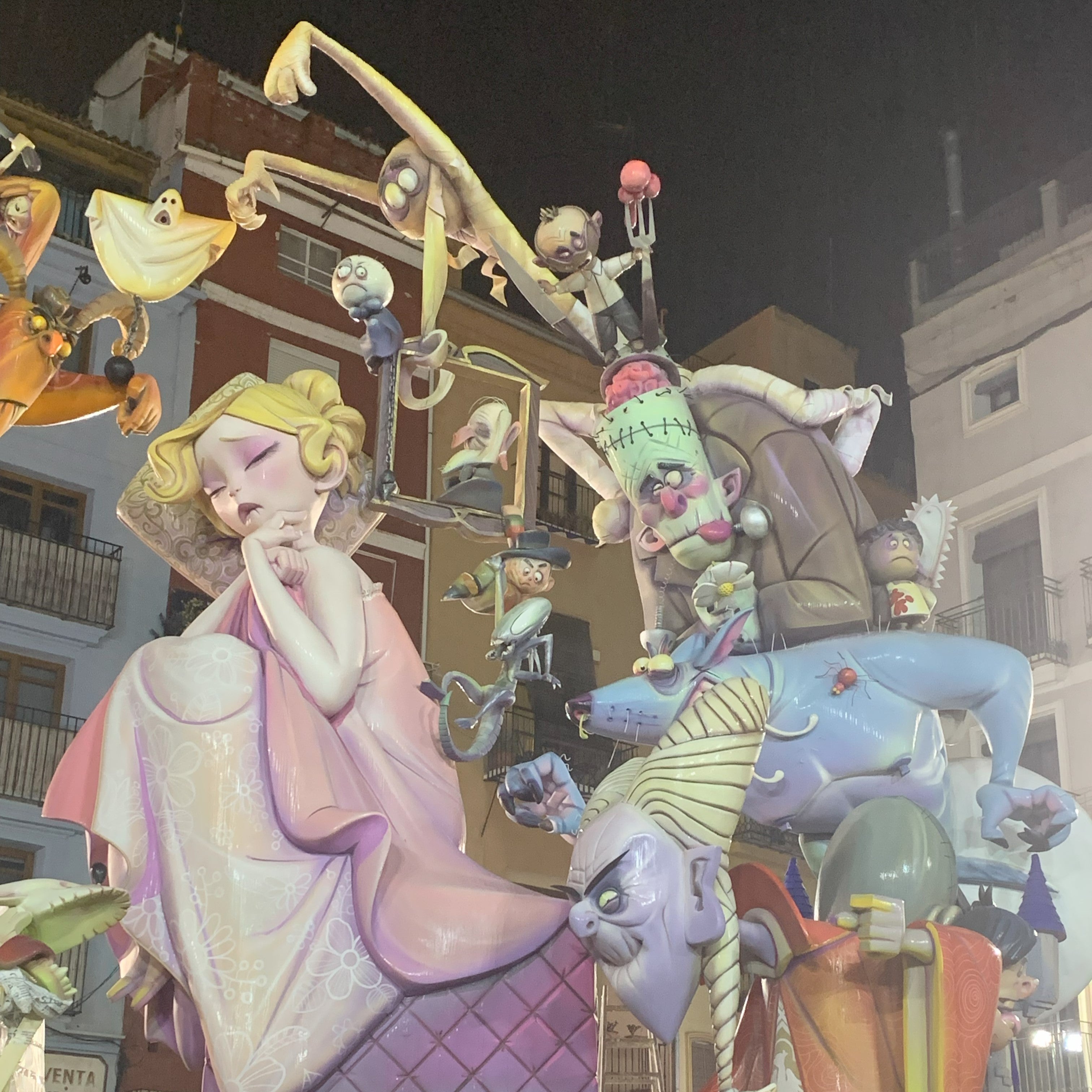
Las Fallas are monuments made of papier-mâché, polystyrene and wood that are erected in the streets of Valencia between 15 and 19 March. Each falla is composed of figures called ninots depicting satirical scenes about politics, society, culture or whatever topic the neighbourhood residents deem worthy of a good send-up.
They are not decoration: they are three-dimensional social commentary. A monument without irony is not a falla. And when the festival ends, everything burns. Months of work turned to ash in one night. That is the cremà: the celebration that the old disappears to make way for the new.
The tradition traces its origins to carpentry workshops that, at the end of winter, dragged surplus timber into the street and set it alight. Neighbours began adding old furniture and useless clothing, and at some point somebody had the idea of shaping the junk into human figures and using them to mock the neighbour of the day. The rest is history.
The main events — from the Crida to the Cremà
Las Fallas are more than the monuments. They are a calendar of events that kicks off on the last Sunday of February with the Crida, when the Fallera Mayor of Valencia officially summons the city to celebrate. From 1 March, a mascletà is fired every day at 14:00 in the Town Hall square: a rhythmic sequence of gunpowder that cannot be explained in words. You have to feel it.
On 15 March comes the Plantà: every monument must be fully assembled by the end of the day so a jury can evaluate them. Wit, humour and the quality of the social critique are scored, not just aesthetics. On 17 and 18 March the Ofrenda de Flores takes place, when thousands of falleros dressed in traditional costume parade through the centre carrying bouquets for the Virgen de los Desamparados. In between: fireworks every night, firecrackers on every corner and paellas in every caseta.
Everything culminates on the night of 19 March with the Cremà. Firefighters hose down the façades, crowds press in, and the monuments burn. It is not a sad ending: it is a cleansing. What does not work disappears. You start from scratch. For a Valencian, the cremà on 19 March is not the end of Fallas: it is the first day of next year’s Fallas.
What you do not see — the community behind every falla
Valencia has more than 750 fallas commissions. Each brings together the residents of particular streets who, throughout the year, organise activities, raise funds and decide what their monument will say. It is a community structure that works better than most things in a modern city.
Children take part from a young age in the junior commissions. Adults gather at the casal to dine, debate and prepare the festival. You do not need to be from Valencia to join a commission: you just need to live in the street or nearby. Las Fallas are, before they are international heritage, a neighbourhood celebration.
Fallas and oranges — more in common than you might think
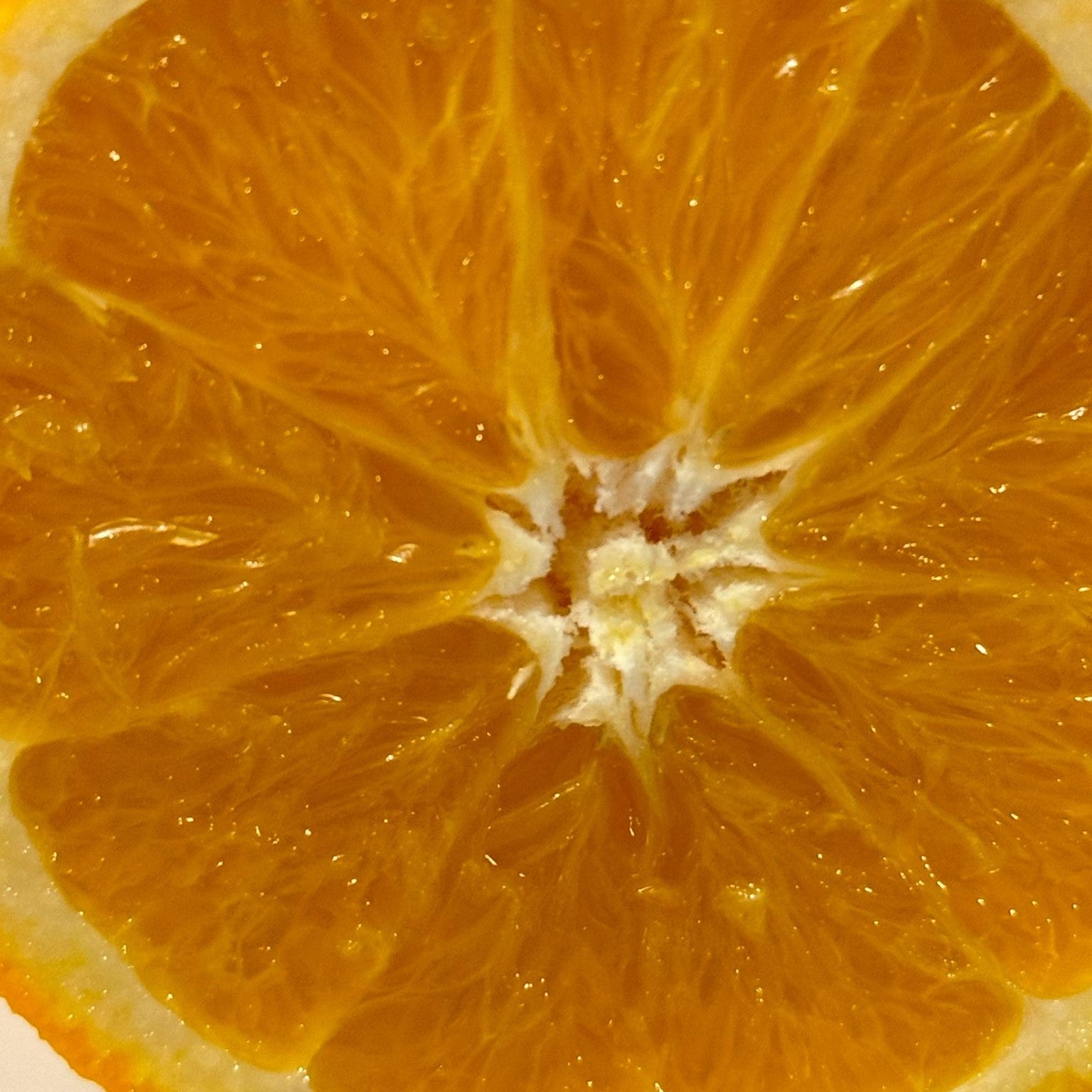
March is also peak season for Valencia oranges. The same land that nourishes the Fallas tradition produces the citrus we send straight from the tree to your door. When you buy oranges directly from the farmer, you are supporting the same local economy that sustains the fallas commissions, the artists who build the monuments and the pyrotechnicians who fire the mascletàs.
If you would like to understand the landscape behind Las Fallas, have a look at our article on Valencia’s huerta: the same thousand-year-old agricultural system that continues to feed the city while the monuments burn every March.
Frequently asked questions
When do Las Fallas de Valencia take place?
The main week runs from 15 to 19 March, but events begin in late February with the Crida and mascletàs are fired daily from 1 March.
Why are the Fallas burnt?
The cremà symbolises renewal: the old and what needs changing in society vanishes in the fire so that everything can start afresh. It is a tradition rooted in the burning of surplus timber from carpentry workshops at the end of winter.
Are Las Fallas a World Heritage site?
Yes. UNESCO declared them Intangible Cultural Heritage of Humanity in 2016, recognising their value as an expression of community creativity and social criticism.
What is a mascletà?
A rhythmic sequence of gunpowder detonations fired every day at 14:00 in Valencia’s Town Hall square during Las Fallas. It is not a visual spectacle but an auditory one: you feel it with your entire body.