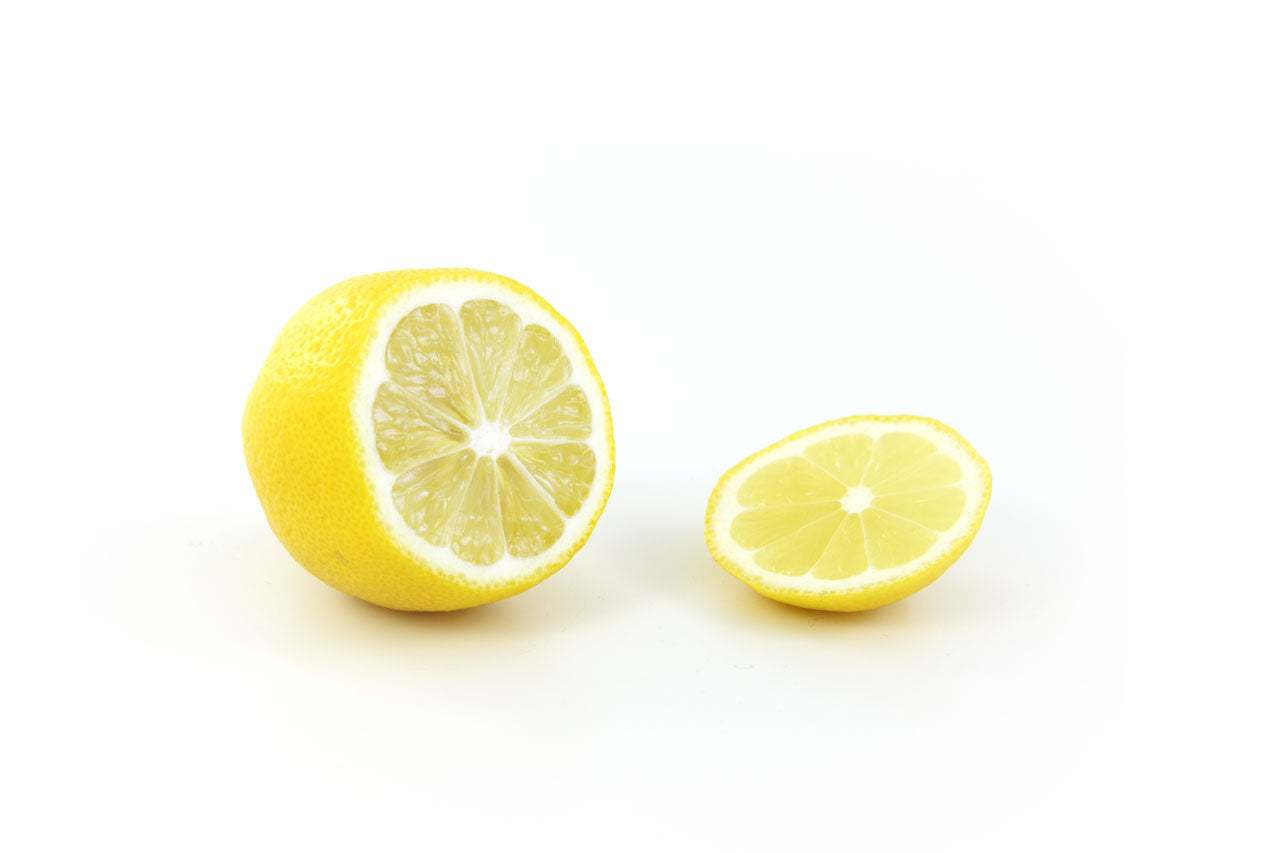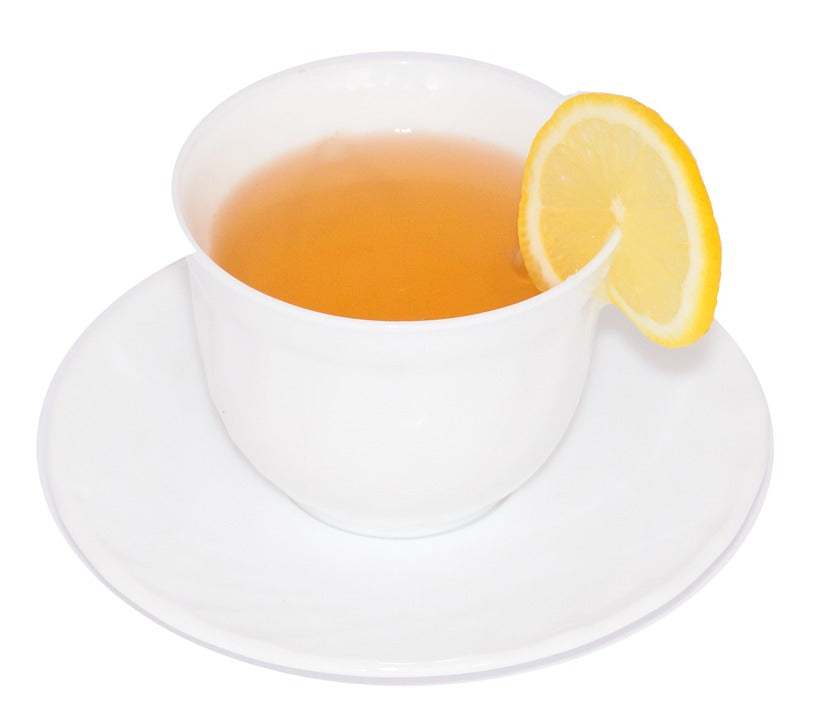
Lemon peel tea — benefits and how to make it with natural lemons from Valencia
Lemon peel is the part that almost everyone throws away. And it's precisely where nearly half the compounds that make lemons interesting are concentrated: vitamin C, flavonoids, essential oils, pectin. The trouble is that most supermarket lemons are waxed and treated with fungicides. If your lemon has been treated, you're quite right not to want to zest it or steep it.
Our natural lemons from Valencia receive no post-harvest treatment. No wax, no fungicides. That means the peel can be used directly: in infusions, in cooking, as zest. What ripens in the Valencia sun is what arrives at your door.
What lemon peel contains (and why it matters)
The skin of a lemon contains vitamin C, citronella, citric acid, malic acid, hesperidin and pectin. The flavonoids in the peel contribute to regulating cholesterol levels. Calcium and vitamin C play a recognised role in bone health. And the essential oils released during steeping give lemon peel tea its distinctive aroma — one you simply can't replicate with any other ingredient.
The relevant point: nearly half of these compounds are in the peel, not the juice. When you discard the skin, you're throwing away the most concentrated part of the lemon.
How to make lemon peel tea
You don't need anything special. One untreated lemon, water and five minutes.
Ingredients
- 1 natural lemon from Valencia (no post-harvest treatment)
- 2 cups of water (about 400 ml)
- Honey or sweetener to taste (optional)
Method
Wash the lemon and peel the zest in wide strips — include some of the white pith underneath, as that's where much of the hesperidin is concentrated. Place the strips in the water and simmer gently for 10–15 minutes. Squeeze the lemon and add the juice to the infusion once you've taken it off the heat. Sweeten with a little honey if you like.
Drink it hot after meals or let it cool for a citrus-flavoured lemonade. Some people add fresh ginger or cinnamon — both combine well with lemon.
Three more ways to use the peel
Tea is the most direct route, but lemon peel has other uses worth knowing about.
Zest in cooking. Grating the peel of an untreated lemon directly over pasta, risotto or salad transforms the aroma completely. It's a simple trick that chefs use as a matter of course.
Candied peel. Simmer strips of peel in syrup (equal parts water and sugar) for 45 minutes over a gentle heat. The result is a citrus confection that doubles as dessert decoration.
In homemade cleaning products. Steep lemon peel in white vinegar for two weeks and you have a multi-purpose cleaner that smells considerably more agreeable than vinegar alone.
Why you need untreated lemons
If the peel has been waxed and treated with fungicides, you shouldn't steep it or grate it. It's as straightforward as that. Most supermarket lemons receive a post-harvest treatment that gives them shine but turns the skin into something you'd rather not put in a cup of hot water.
Our lemons ripen in the Valencia sun and are shipped as they are. The peel has the texture and fragrance of a freshly picked lemon — not the waxy feel of one that's spent time in cold storage.
If you'd like more ideas for using whole citrus fruit, have a look at our mandarin marmalade recipes — where the fruit is used whole, peel included.
Frequently asked questions
Is it safe to eat lemon peel?
If the lemon hasn't received post-harvest treatment, yes. The peel of a natural lemon is edible and contains valuable nutrients. The concern applies only to lemons treated with wax and fungicides.
How many times a day can you drink lemon peel tea?
One or two cups a day is a reasonable amount. After main meals it's particularly well suited, as citric acid aids digestion.
Can you store lemon peel tea?
Yes, it keeps for 2–3 days in the fridge in a sealed container. You can make a larger batch and drink it cold or reheated.
Which lemons does CitrusRicus use?
Natural lemons from Valencia, sun-ripened with no post-harvest treatment. They're the same lemons we ship fresh to customers across Europe — only here, we show you how to make the most of the peel as well.