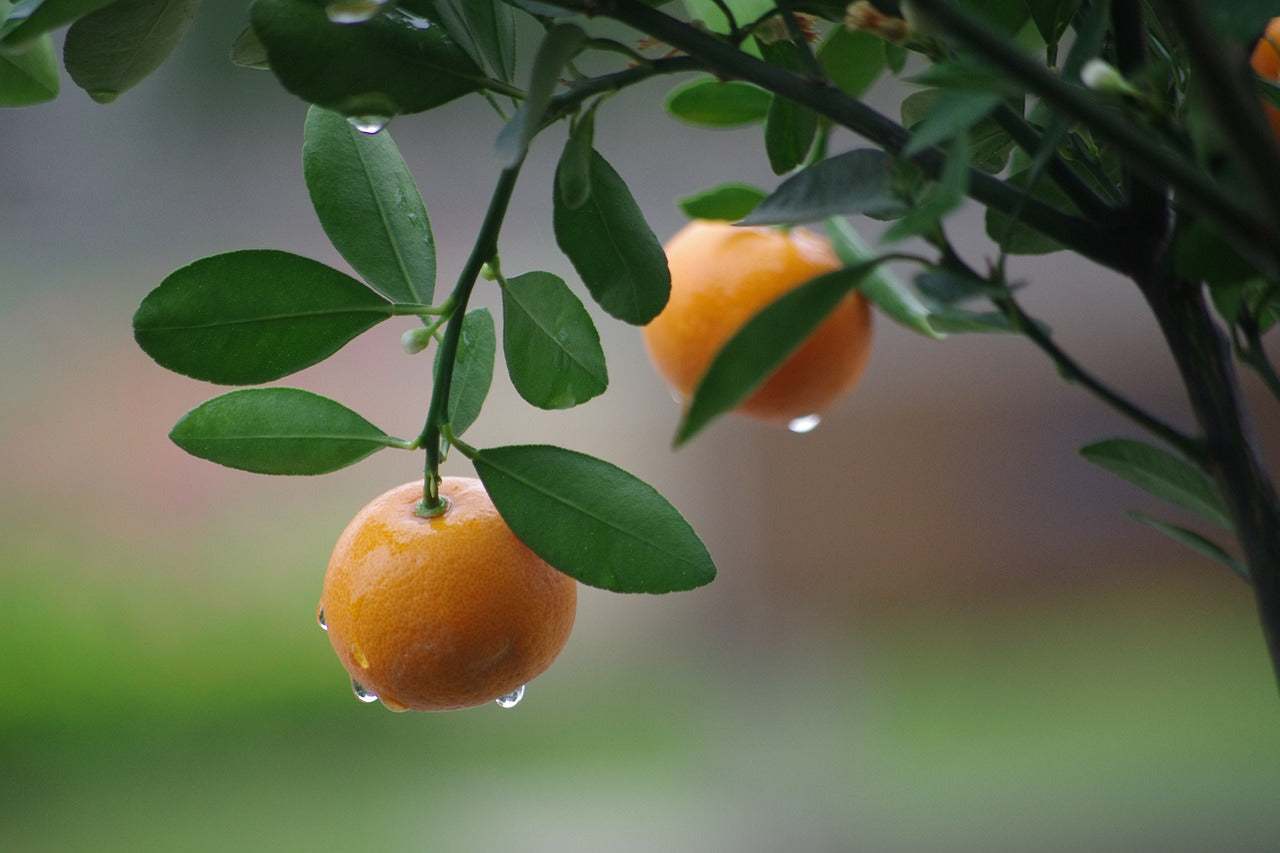
Citrus ripening: what changes in the fruit and why it matters
When you buy an orange in the supermarket, it may have been picked weeks ago while still green, then ripened in a cold store with ethylene gas. When you buy one direct from the grower in Valencia, it comes off the tree already ripe. The difference is not just colour: it is flavour, texture and composition.
Understanding what happens during citrus ripening helps explain why it matters how and where the fruit matures.
What changes in citrus fruit as it ripens
Ripening is a complex biochemical process. It is not simply a matter of the fruit turning orange. Several changes happen simultaneously:
Sugars and acids. As the fruit ripens, sugars (mainly sucrose, glucose and fructose) increase while organic acids (principally citric acid) decrease. The balance between sweetness and acidity is what determines flavour. An orange picked too early has high acid and low sugar — not unpleasant, but lacking depth.
Colour. Chlorophyll in the skin breaks down and gives way to carotenoids, the pigments that produce the orange colour. In Valencia, where winter nights are cold, this process is more pronounced. Night-time temperature directly influences how intense the colour becomes.
Texture and juice. Juice content increases as the fruit ripens. Internal membranes soften, segments become juicier. An unripe orange is drier and more fibrous; one ripened on the tree bursts with juice when you cut it.
Volatile compounds. The characteristic aromas of each variety develop in the final weeks of ripening on the tree. The terpenes, aldehydes and esters that make an orange smell like an orange need time and natural conditions to form fully.
Tree-ripened versus cold-store ripened
This is the difference that matters. When fruit is picked green and artificially ripened with ethylene in a cold store, the exterior colour changes — the skin turns orange. But the internal processes do not advance in the same way. Sugar content does not rise as it would, because the fruit is no longer receiving nutrients from the tree. Aromatic compounds do not fully develop.
The result is fruit that looks ripe on the outside but has not completed its cycle inside. The flavour is flatter, the texture drier, the aroma less intense. It is not bad fruit — it is interrupted fruit.
Tree-ripened fruit completes the entire process connected to the plant, receiving water, minerals and sunlight until the last day. That cannot be replicated in a cold store.
Vitamin C and ripening: what the science says
There is a widespread notion that less ripe fruit contains more vitamin C. The reality is more nuanced. Vitamin C content varies according to variety, growing conditions, the precise moment of harvest and, above all, the time and conditions of post-harvest storage.
What is known is that vitamin C degrades over time, with heat and exposure to air. An orange picked ripe from the tree and eaten within 48 hours retains its vitamin C better than one picked green three weeks ago and ripened in a cold store. It is not ripeness that reduces vitamin C — it is time away from the tree.
The EFSA recognises that vitamin C contributes to the normal function of the immune system and to the protection of cells from oxidative stress. That applies to citrus fruit in general, regardless of exact degree of ripeness — provided it is consumed fresh.
How to tell if citrus fruit is properly ripe
There is no infallible trick, but there are useful signs:
Weight. A ripe orange feels heavier than its size suggests, because it is full of juice. If it feels light, it is probably dry inside.
The skin. It should be firm but yield slightly to pressure. If it is hard as stone, it needs more time. If it is soft and spongy, it has passed its best.
Aroma. A ripe orange smells of orange even through the skin. If it has no scent, it was almost certainly picked too early.
Colour alone is not a reliable guide. An orange can be perfectly green on the outside and ripe inside — this happens frequently at the start of the season in Valencia, when nights are not yet cold enough to break down the chlorophyll in the skin.
Why this matters for the fruit you receive
Our fresh oranges from Valencia are picked ripe from the tree, to order, and arrive at your door within 24–48 hours. They do not pass through cold stores or receive post-harvest treatments. The fruit completes its ripening naturally, on the tree, and is eaten when it is still at its best.
If you want to explore the nutritional properties of citrus — with evidence, not slogans — we have an article on mandarins, lemons and the immune system.
Frequently asked questions
Is it better to eat less ripe citrus?
Not necessarily. A properly tree-ripened citrus fruit has an optimal balance of sugars, acids, aromas and nutrients. What matters is not the degree of ripeness, but that the ripening happened naturally and the fruit is consumed fresh.
Does cold-store ripened fruit have fewer vitamins?
It is not that it has fewer because it ripened in a cold store, but that it has spent more time away from the tree. Vitamin C degrades with time and handling. A freshly picked ripe orange retains its nutrients better than one that has been stored for weeks.
Can I ripen citrus at home?
Citrus fruit does not ripen significantly after picking. Unlike bananas or avocados, an orange picked green will remain acidic. That is why it is important for the fruit to be harvested at the right moment of ripeness.
Why are early-season oranges green on the outside?
Because the chlorophyll in the skin needs cold nights to break down and reveal the orange pigments beneath. Early in the season, when nights are still mild, the skin can be green even though the interior is perfectly ripe and sweet.