Skip to content

Cart

Your cart is empty

Article: Anatomy of an orange — what is inside and why it matters

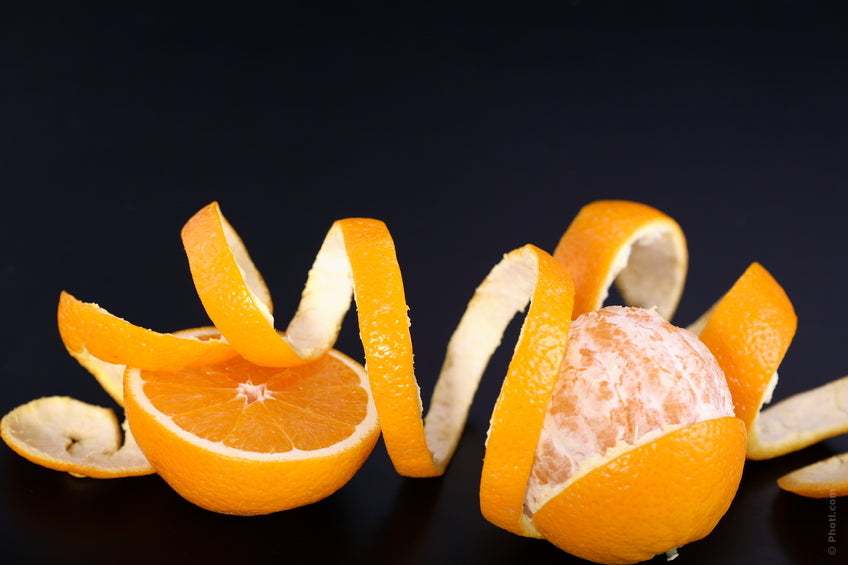
Orange peeled in a spiral with its rind unwound and a halved orange beside it, on a black background
Updated: Desde la huerta

Anatomy of an orange — what is inside and why it matters

When you peel an orange, you discover a system of natural engineering far more sophisticated than its round appearance suggests. Each part has a different nutritional profile.

The parts of an orange

Exocarp (flavedo). The coloured outer layer. Essential oils and carotenoids. With untreated Valencia oranges, you can zest this layer directly in cooking.

Mesocarp (albedo). The white spongy layer. Pectin, hesperidin and vitamin C. Slightly bitter but nutritionally the most interesting part.

Endocarp. The segments with juice vesicles. In a ripe tree-picked orange, they are bursting full.

Why the whole orange beats juice

When you squeeze, you discard pectin, flavonoids and satiating fibre. It is like buying a car and only using the radio.
Buy Valencia oranges →

Read more

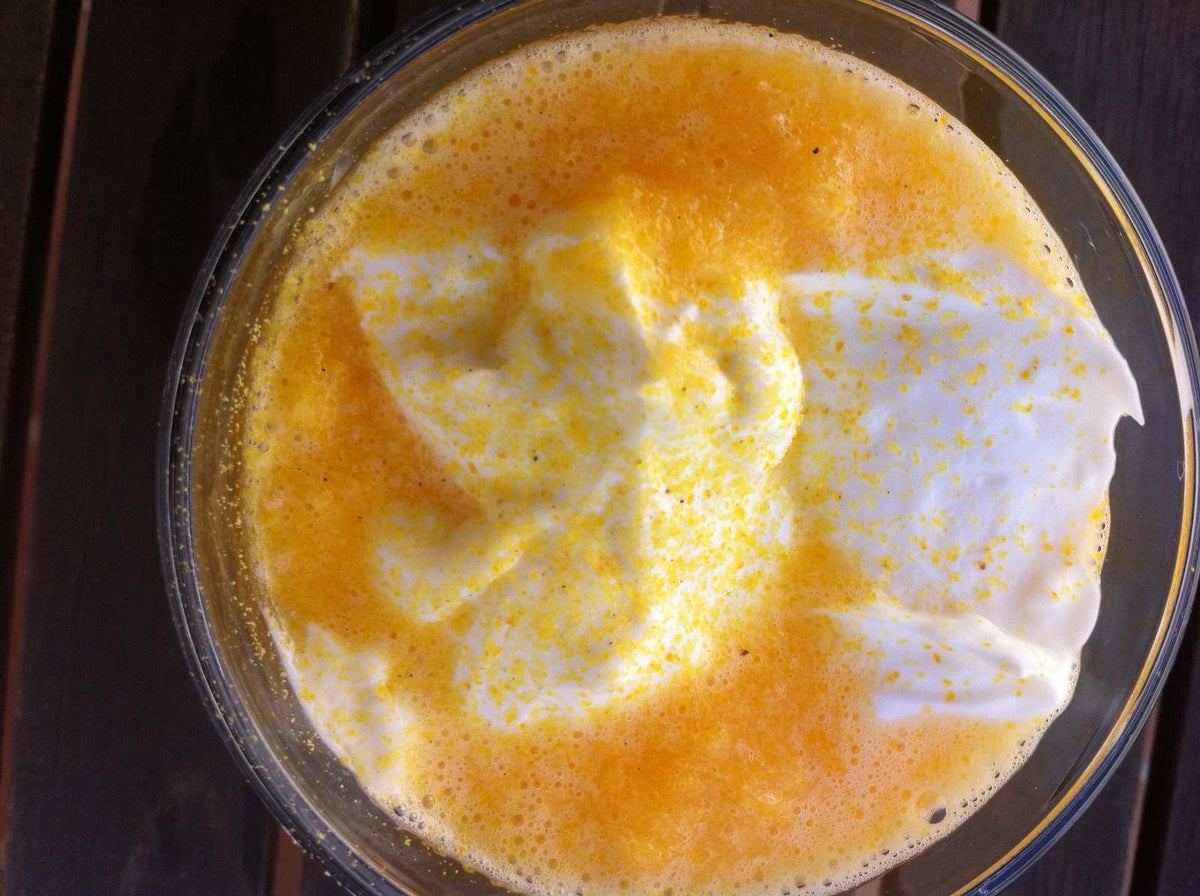
Top-down view of a glass bowl with orange juice and white yogurt swirling together
Cocina cítrica

Tangerine and yoghurt cream: a 10-minute no-bake dessert

A dessert assembled in 10 minutes, no oven needed. Greek yoghurt, fresh tangerine juice, honey and gelatine. That is all.Ingredients (serves 4)400 g Greek yoghurt, juice of 4 tangerines, zest of 1,...

Read more
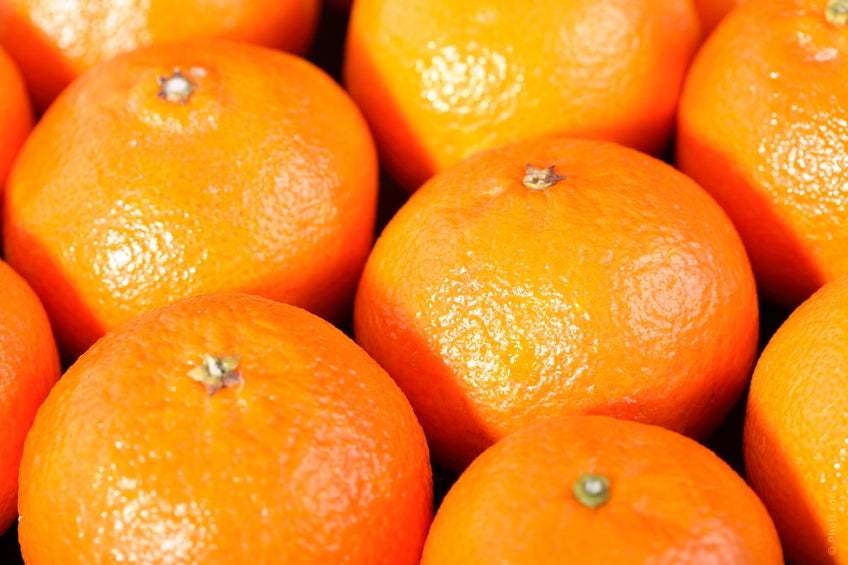
Close-up of whole tangerines packed tightly together, with glossy orange skin and green stem ends
Cómo y cuándo

How to tell when a tangerine is ripe

The colour of a tangerine does not always tell the truth. A green tangerine can be perfectly ripe inside. Signs of ripeness Weight. A ripe tangerine weighs more than expected. The segments are full...

Read more
Chat with us on WhatsApp