

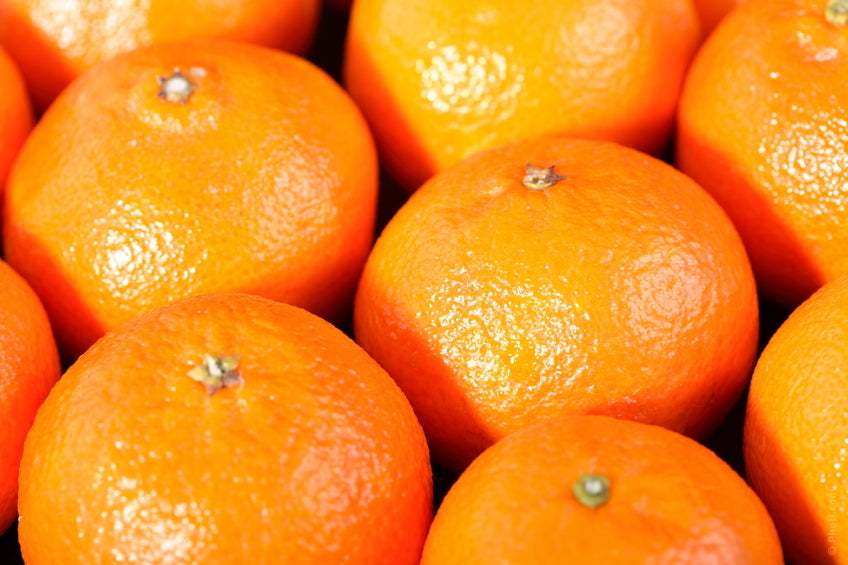
Mandarins and weight loss — what science says about nobiletin
The mandarin is not a fat burner. No fruit is. But mandarin peel contains nobiletin, a flavonoid that scientific research has begun studying with growing interest for its effects on fat metabolism.
Before anyone gets excited: most studies have been conducted on mice, not humans. What we do know is that nobiletin exists, it is concentrated in the peel, and the early findings are interesting enough to be worth discussing.
What we know for certain
Low calories, high satiety. A mandarin has about 35-45 calories and 2 grams of fibre. One of the most efficient snacks available: something sweet, filling and nutritious for fewer calories than a couple of biscuits.
Fibre that works. The pectin in mandarins (soluble fibre) forms a gel in the stomach that slows digestion. You eat less without going hungry. Not a miracle diet — basic biochemistry.
Natural sugar, not added. The fructose in a mandarin arrives accompanied by fibre, water and micronutrients. Not comparable to added sugar in processed products. Your body has been processing fruit fructose for millions of years. Refined sugar for about a hundred.
Mandarin and ginger infusion
If you want to use the peel — where the nobiletin resides — this infusion is a simple way to do so.
Wash a fresh Valencia mandarin and slice it with the peel included. Add 3 slices of fresh ginger and a tablespoon of green tea. Infuse in one litre of hot water for 10 minutes. Strain and sweeten with honey if desired.
With mandarins that have no post-harvest treatment, the peel infuses without concern. With wax-treated supermarket mandarins, better not.
Frequently asked questions
Do mandarins help with weight loss?
Not directly. No fruit causes weight loss on its own. What they offer: low calories (35-45 per piece), satiating fibre and nutrients. A considerably better snack than any processed alternative.
What is nobiletin?
A flavonoid found in citrus peel, particularly mandarins. Preliminary studies on mice suggest positive effects on fat metabolism, but there is no conclusive evidence in humans yet.
Do you have to eat the peel?
Not necessarily. You can infuse it or use it as zest in cooking. The important thing is that the mandarin has no post-harvest treatment.


