The lime — what it is, how it differs from lemon and how to use it in the kitchen
The lime is the citrus fruit everyone knows from the mojito but hardly anyone buys for the kitchen at home. That is a mistake. The lime has an aromatic profile that lemon simply cannot replicate — more floral, more complex, with a bitter edge that works especially well in dishes where acidity needs elegance, not just brute force.
If you already know our natural lemons, the lime is the next step in the world of acid citrus. Here we explain exactly what it is, how it differs from lemon and how to make the most of it in the kitchen.
What a lime is — it is not a green lemon
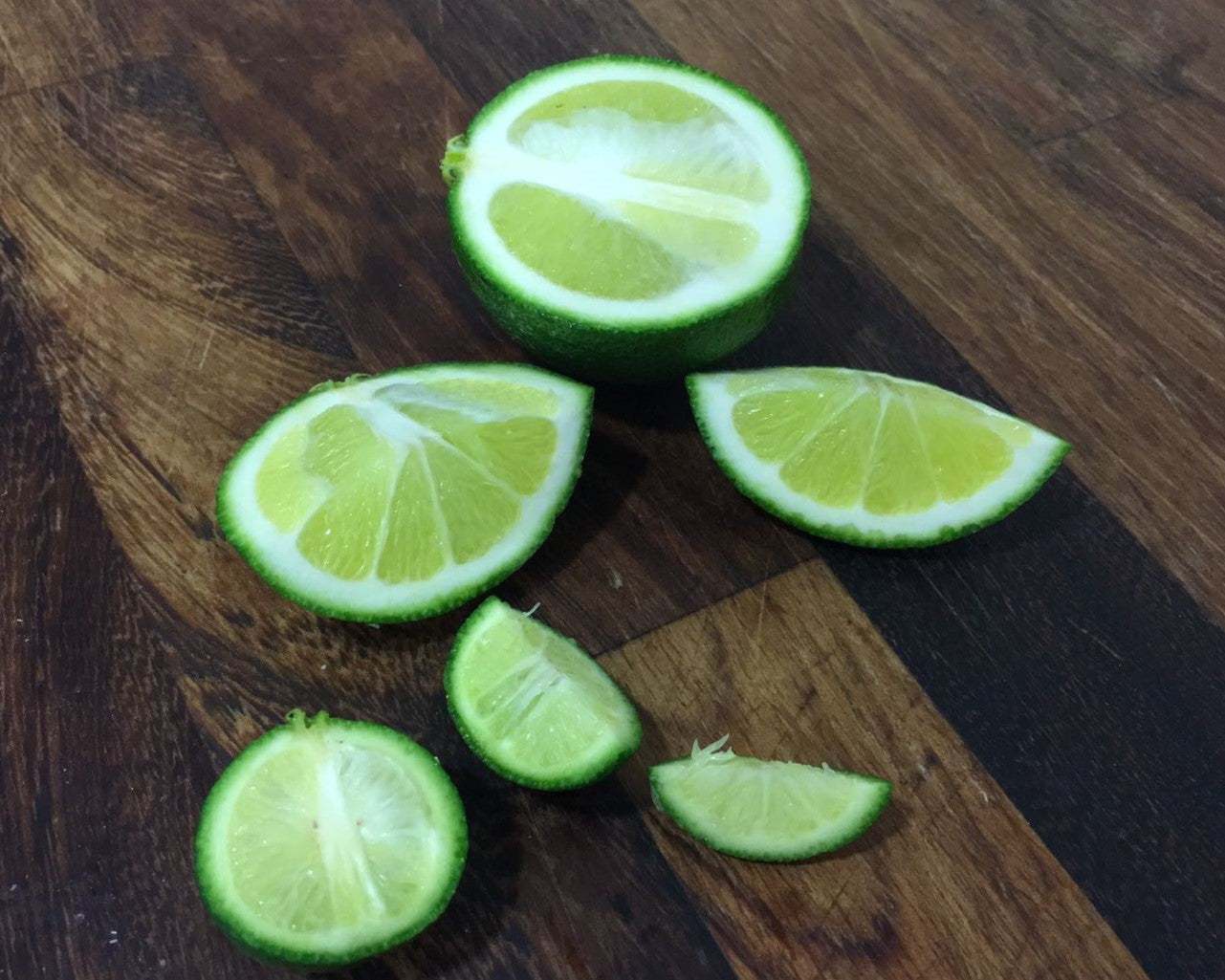
First things first: a lime is not an unripe lemon. They are different species. The lemon commonly used in Spain is Citrus limon, whereas the most widespread lime in the world — the one you find in cocktails, ceviches and curries — is the Persian lime (Citrus latifolia) or the key lime (Citrus aurantiifolia), also known as the Mexican lime.
The Persian lime is the one sold in most European supermarkets: larger than the key lime, seedless, with a thin green skin that yellows as it ripens. The key lime is smaller, more aromatic, more acidic and has seeds — it is the one used for authentic key lime pie and for many South-East Asian dishes.
Other varieties include the kaffir lime (Citrus hystrix), whose leaves matter more than its juice in Thai cooking, and the finger lime or citrus caviar (Microcitrus australasica), which produces tiny spheres that burst in the mouth like vegetable caviar.
Lime vs lemon — differences that matter in the kitchen
Lime juice has a slightly lower pH than lemon juice — that is, it is a touch more acidic — but the real difference lies in the aromatic profile. Limes contain different terpene compounds: more limonene but also more citral and linalool, giving them that floral, slightly bitter aroma that sets them apart.
In practice, this means lime and lemon are not interchangeable in every recipe. A ceviche with lemon tastes good; a ceviche with lime tastes authentic. A gin and tonic with lemon works; with lime the whole register changes. A Thai green curry needs lime, not lemon: the aromatic difference is fundamental.
Lime zest is even more aromatic than its juice. The essential oils concentrated in the green skin deliver an intensity that works beautifully in baking, marinades and dressings. If you use lime in the kitchen, zest the skin before you squeeze it — provided the fruit has not been treated with post-harvest wax or fungicides, of course.
How to use lime in the kitchen — beyond the mojito
The lime’s versatility in the kitchen extends far beyond cocktails. It shines in ceviches and tiraditos, where lime acid cooks raw fish and delivers the correct aromatic profile. In Thai and Vietnamese curries, where the juice is added at the end to preserve freshness. In salads dressed with lime, coriander and chilli. In marinades for chicken, prawns or tofu. And in baking, where key lime pie and lime cheesecake are classics that lemon cannot replace without losing personality.
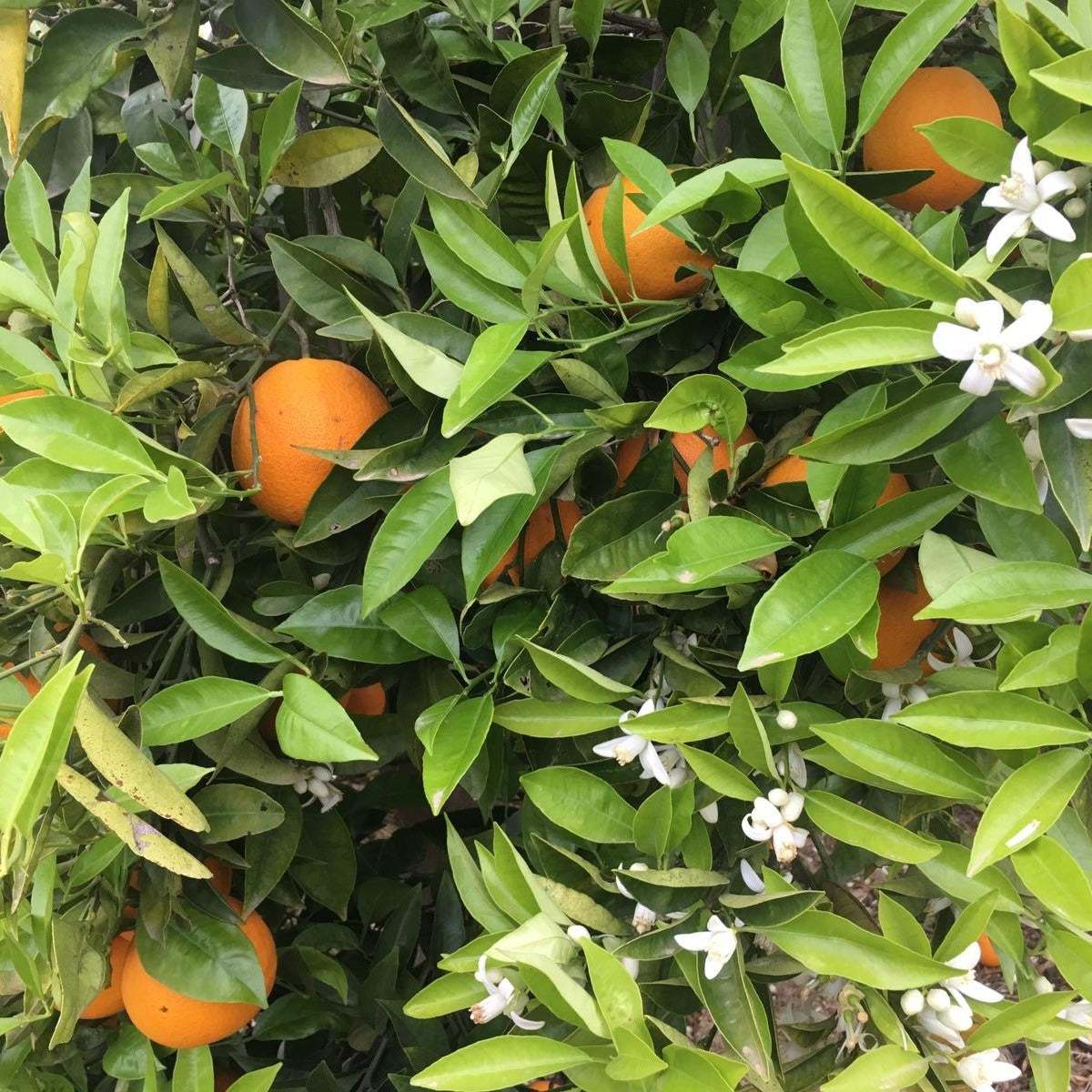
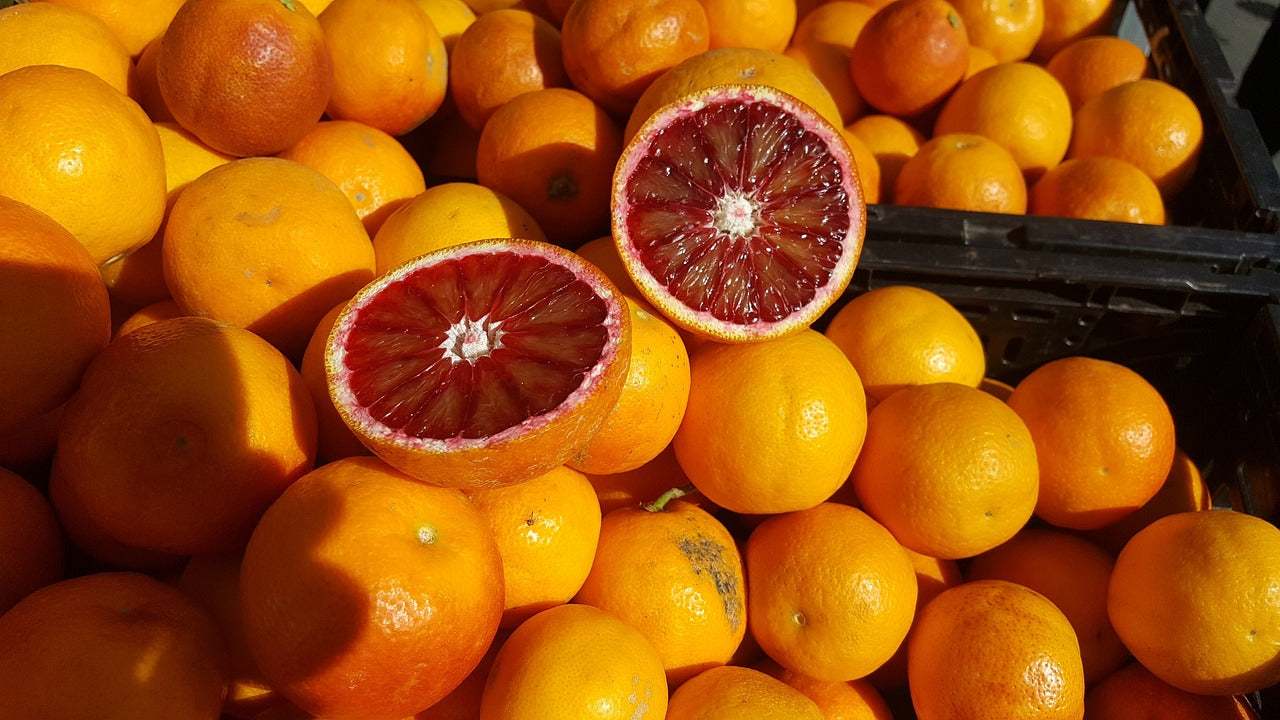
A trick that works well: mix lime juice and Valencia orange juice in equal parts for a vinaigrette that combines acidity and sweetness without needing any sugar.
Storage and season
Limes keep well at room temperature for about a week and in the fridge for up to three weeks. The trick to extracting more juice is to roll them with the palm of your hand on the worktop before cutting — this breaks the internal vesicles and makes squeezing easier.
The main lime season in the northern hemisphere runs from May to October, although as a product largely imported from Mexico, Brazil and Central America, it is available year-round in most markets.
Frequently asked questions
Are lime and lemon the same thing?
No. They are different species within the Citrus genus. Lemon is Citrus limon and the most common lime is Citrus latifolia (Persian lime) or Citrus aurantiifolia (key lime). They have distinct aromatic profiles and are not interchangeable in every recipe.
Can you substitute lime for lemon in a recipe?
It depends on the recipe. In dishes where acid is merely a background seasoning, yes. In recipes where lime is the star — ceviche, key lime pie, Thai curry — the substitution changes the result significantly.
What lime varieties exist?
The main ones are the Persian lime (large, seedless), the key lime or Mexican lime (small, aromatic, with seeds), the kaffir lime (used for its leaves in Asian cooking) and the finger lime or citrus caviar (with spherical vesicles).
Can you zest lime skin?
Yes, and it is highly recommended. Lime zest concentrates the essential oils and delivers intense aroma to baking, marinades and dressings. It is important that the lime has not been treated with post-harvest wax or fungicides.