Tangerine peel in Traditional Chinese Medicine
Sun-dried mandarin peel — Chen Pi — has been used in China for over 2,000 years as a seasoning and as part of Traditional Chinese Medicine. In this article: what sets Qing Pi apart from Chen Pi, how tradition uses them, what research is exploring today, and how to dry the peels at home. One note before we start: you need mandarins without waxes or post-harvest treatments — treated supermarket peel is not suitable for this.
In China, sun-dried mandarin peel is used as a seasoning in soups, stews, desserts, dressings and infusions. In Traditional Chinese Medicine (TCM), the peels of this delicious fruit have been used for more than 2,000 years within its herbal tradition.
A distinction is made between the peel of the green fruit, Qing Pi (harvested between May and June), and that of the ripe fruit, Chen Pi (harvested between July and August). They are very similar, but the green peel contains certain amino acids (aspartic acid, glutamic acid, proline) and a higher amount of synephrine (a nervous system stimulant).

Shennong Ben Cao Jing – First Chinese pharmacopoeia
According to Chinese tradition, mandarin peel has a warming, tonifying and bitter effect.
In Chinese medicine, mandarin peel is associated with the spleen and lung meridians. It is used to regulate the flow of Qi (vital energy), dry dampness and clear phlegm. The traditional dose is between 3 and 9 grams.
Traditionally, mandarin peels — as infusions, pills, extracts or juice, combined with other plants — have been used for discomforts like these (always according to TCM tradition, not Western medicine):
- pain caused by hernias
- spasms, menstrual pain
- dyspepsia
- chest or abdominal pain, bloating
- lack of appetite
- productive cough with phlegm, chest tightness
- digestive problems, flatulence, diarrhoea
- nausea and hiccups
- airway discomfort
- weakness, tiredness
- low blood pressure (hypotension)
One example is a traditional formula against hernia pain combining dried mandarin peel (Qing Pi), lindera root (Wu Yao), fennel seed (Xiao Hui Xiang) and costus root (Mu Xiang). Another, used by tradition for dyspepsia, qi stagnation, abdominal pain and bloating, combines Qing Pi, fermented mass (Shen Qu), hawthorn (Shan Zha) and barley malt (Mai Ya).

What the research says
There are quite a few studies on the compounds in citrus peels — hesperidin, nobiletin, pectin, flavonoids in general — but almost all authors agree on one thing: the results are preliminary and much more research is needed. Some examples:
A 2001 study published in BioMed Central Dermatology observed an association between drinking hot black tea with citrus peel and a lower risk of skin cancer in the studied population. It is an observational study: it shows correlation, not cause and effect.
A 2004 study by the US Department of Agriculture and Canadian researchers looked at the effect of mandarin peel compounds on cholesterol levels in animals.
Other studies have explored the role of hesperidin in blood circulation, and research groups in Tianjin, Hebei and Beijing are studying citrus flavonoids (such as nobiletin) and pectin for their possible role in preventing various diseases. In every case, the authors themselves call for more studies before drawing conclusions.
Important: none of the above is medical advice or a property approved by European health authorities. Mandarin peel is a seasoning with a fascinating tradition behind it — not a treatment. If you have a health problem, talk to your doctor.
Where to get dried mandarin peels?
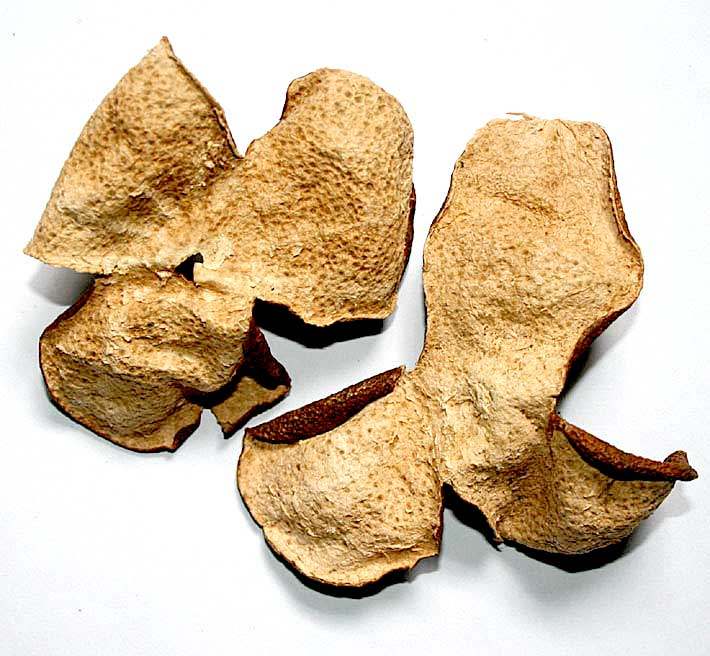
Do it yourself: Dry the mandarin peels in the sun, in the oven or on the radiator. You can remove the white inner layer or not (it tastes more bitter). Always use fruit without any post-harvest treatment, like our fresh Valencian mandarins. Once the peels are completely dry, store them in a glass container. They keep very well for a long time — it is even said that the peels improve with age, just like wine.
You can also buy dried mandarin peels in pharmacies that sell Chinese medicine, but bear in mind that some varieties are quite expensive.
Infusion recipes
Mandarin peels give a delicious flavour to infusions, teas, soups and desserts. Simply add a few pieces along with the other herbs and let them steep for a few minutes. Four classic combinations from the tradition:
- With ginger: the traditional winter combination
- With liquorice: the after-meal classic
- With red tea: dried peels with the white layer included
- With green tea: the freshest and most digestive
To learn how to make and use orange or mandarin powder, we explain it in this other article. And for more ideas, here is how to use citrus peels in your garden.
Our oranges and mandarins receive no chemical treatment after harvest, so you can enjoy the peels with total peace of mind: they are picked the day you order in the orchard our family has farmed in Valencia since 1917.
Cover photo esgreen.com, photos from china.org.cn and i00.i.aliimg.com