Agricultural cooperatives — what they are, how they work and why they matter for citrus
International Co-operatives Day falls on the first Saturday of July. For most people it is just another date in the calendar. For the farmers of the Valencian huerta, cooperatives are not a commemorative event: they are the structure that allows them to keep growing orange trees without being swallowed by agribusiness.
An agricultural cooperative is not a standard company. It is an organisation where the farmers themselves are the owners, make the decisions and share the profits according to what they contribute, not what they invest. Understanding how they work helps explain why buying directly from the producer makes more sense than it might seem.
What an agricultural cooperative is
An agricultural cooperative is an association of farmers who join forces to market their produce, purchase inputs, share machinery or access services they could not afford individually. It operates on the principle of one member, one vote — whether you farm half a hectare or twenty — and profits are distributed in proportion to the activity each member carries out with the cooperative, not to the capital invested.
In Spain, agricultural cooperatives are regulated by regional and national legislation and operate under the cooperative principles defined by the International Co-operative Alliance: voluntary membership, democratic governance, economic participation by members, autonomy, education, cooperation between cooperatives and concern for the community.
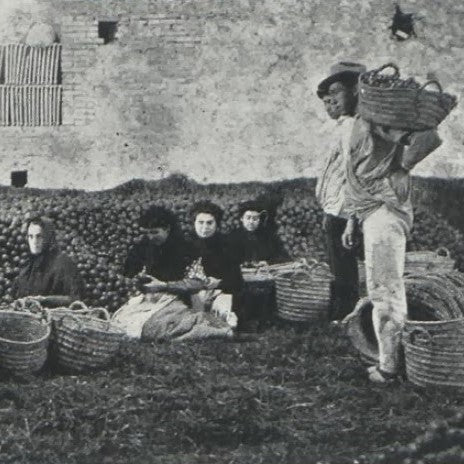
In Valencia's huerta, citrus cooperatives have been running for over a century. They were the answer farmers found for competing in international markets without losing control over their product or their working conditions.
How citrus cooperatives work
The typical process in a citrus cooperative works like this: the farmer brings the fruit to the cooperative, where it is graded, calibrated and prepared for sale. The cooperative negotiates with buyers — supermarkets, wholesalers, export markets — and obtains a price that it then distributes among members according to the quantity and quality of fruit supplied.
Cooperatives also provide technical services — agronomic advice, soil-analysis laboratories, treatment management — and negotiate bulk purchases of fertilisers, packaging and other inputs at lower prices than an individual farmer could achieve.
The problem is that the traditional cooperative model has limitations. Cooperatives sell through intermediaries — wholesalers, distribution chains — which compresses farmer margins. When an orange passes through three or four hands before reaching the consumer, each intermediary takes a cut and the farmer receives a fraction of the final price.
Direct sales — the alternative that complements cooperatives
Selling directly from farmer to consumer eliminates middlemen and allows the farmer to receive a fair price for the fruit. This does not mean cooperatives are unnecessary — they remain essential for logistics, technical advice and collective representation — but direct sales offer a complementary channel that benefits both producer and consumer.
Our Valencia oranges are sent straight from the tree to your door. No cold storage, no middlemen, no post-harvest treatment. This model allows the farmer to earn a fair return and you to receive fruit picked at peak ripeness, not fruit harvested green and ripened in a warehouse to survive weeks of transport and storage.
Why cooperatives matter for the future of farming
Agricultural cooperatives are a barrier against the concentration of the agri-food sector in a few hands. Without them, small farmers in the Valencian huerta would have to sell their fruit at whatever price industrial buyers dictated — or quit. The cooperative structure gives them collective bargaining power that individually they would not have.
They also play a key role in preserving the agricultural landscape. When a farmer can make a living from the land — thanks to the cooperative, to direct sales or to both — there is no reason to sell it for a shopping centre. Cooperatives and direct sales are, each in their own way, tools for keeping Valencia's huerta alive.
Frequently asked questions
What is an agricultural cooperative?
It is an association of farmers who join forces to market their produce, purchase inputs and access services. It operates on the principle of one member, one vote, and profits are shared in proportion to each member's activity.
When is International Co-operatives Day?
It falls on the first Saturday of July, established by the United Nations to recognise the contribution of cooperatives to economic and social development.
Is CitrusRicus a cooperative?
We are a direct-sales project shipping citrus from the farmer to the consumer. Our model complements the cooperative one by eliminating middlemen so the farmer receives a fair price and the consumer receives freshly picked fruit.
Why does buying directly from the farmer matter?
Because it removes intermediaries that compress the producer's margin and lengthen the cold chain. The farmer earns a fair return and you receive fruit picked at peak ripeness, with no post-harvest treatments.