

Cover crops in citrus groves — what they are, what they do and why we use them
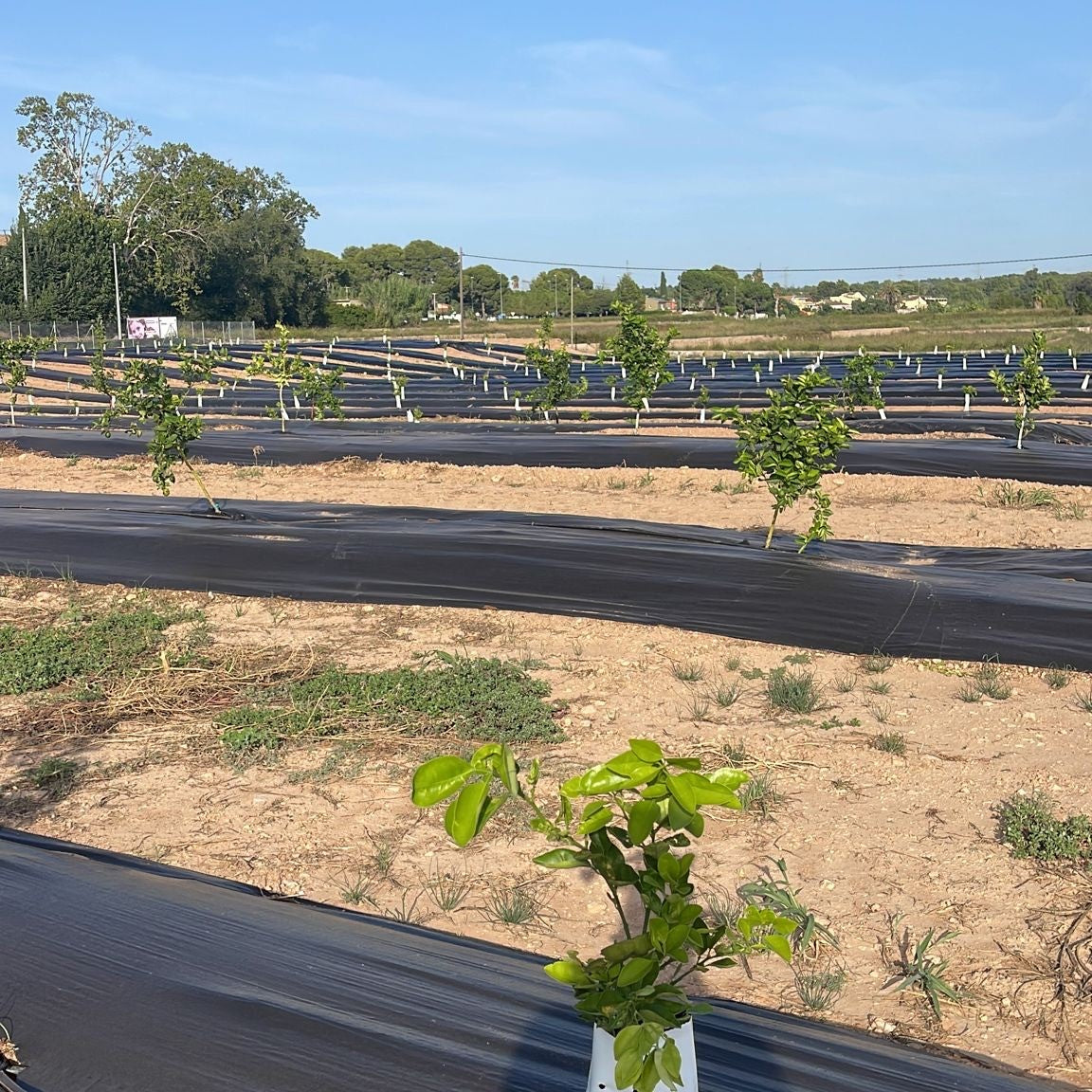
If you walk through a well-managed orange grove, the first thing you will notice is that the soil is not bare. Between the trees grow grass, clover, oats or some blend of plants that, at first glance, looks like neglect. It is not. Those plants are there on purpose and have a technical name: cover crops.
In the fields where our Valencia oranges grow, cover crops are simply another working tool. They are neither decoration nor a fad: they are a way to improve the soil, reduce erosion and keep the ecosystem around every orange tree alive.
What cover crops are and how they work
A cover crop is a plant sown between the rows of trees or on the field margins, not to be harvested but to protect and feed the soil. They may be legumes such as clover or vetch — which fix atmospheric nitrogen in the soil via symbiotic bacteria — grasses such as oats or rye, or blends of both.
The principle is straightforward: covered soil is protected soil. Rain does not wash away the fertile layer, the sun does not bake it to dust, and the roots of the plants create channels that improve water infiltration. When the cover crop is mown and left on the ground, it decomposes and returns nutrients to the soil. It is a cycle that works without synthetic fertilisers.
Direct benefits for citrus
In an orange grove, cover crops deliver several measurable advantages. The first is improved soil structure: the roots of cover-crop plants break up compaction and create pores that aid drainage. This is especially important in Valencia’s huerta, where torrential autumn rains can saturate the ground in a matter of hours.
The second is temperature regulation. Covered soil maintains more stable temperatures than bare soil, shielding orange-tree roots from extreme summer heat and winter frost alike. If you would like to know how weather affects citrus, we have an article on how September rains influence citrus fruit.
The third is biodiversity. Cover crops attract pollinators — bees, butterflies, hoverflies — and natural pest predators such as ladybirds and lacewings. A field with cover crops needs less phytosanitary intervention because the ecosystem itself regulates insect populations.
Managing the cover — it is not just about letting things grow
A cover crop is not wild grass growing unchecked. It requires planning: choosing the right species for the soil type and climate, deciding when to sow, when to mow and when to leave the plant material as mulch. In citrus groves, the cover is mown before the orange trees flower to avoid competition for water and nutrients at the most critical point in the cycle.
One must also ensure the cover does not become an exclusive refuge for pests. The solution is not to remove it but to combine it with other practices such as rotating cover-crop species and maintaining perimeter hedgerows that keep the balance between predators and pests.
Cover crops and sustainable farming
The use of cover crops is nothing new — Roman farmers already rotated crops to improve soil — but their systematic application in citrus farming is relatively recent. It forms part of an agricultural approach that aims to produce quality food without degrading the most important resource of all: the soil.
Our fields apply this and other sustainable-farming practices because we believe a good orange starts with healthy soil. We use no post-harvest treatment, no wax and no fungicides on our citrus. And part of the reason we can do that is because we look after the ecosystem that produces them from the ground up — quite literally.
Frequently asked questions
What are cover crops in agriculture?
They are plants sown between the trees or on the field margins to protect the soil, improve its structure, fix nutrients and encourage biodiversity. They are not harvested: they are mown and left as mulch.
Which plants are used as cover crops in citrus?
Legumes such as clover and vetch, which fix nitrogen in the soil, and grasses such as oats and rye, which improve structure. Blends of both families are often used.
Do cover crops reduce pesticide use?
Yes. By attracting pollinators and natural pest predators — such as ladybirds and lacewings — cover crops help regulate harmful insect populations naturally, reducing the need for chemical intervention.
Does CitrusRicus use cover crops in its groves?
Yes. Cover crops are one of the sustainable-farming practices we apply in our orange and lemon groves in Valencia’s huerta, alongside the absence of post-harvest treatment on our citrus.


